
Maritime
PSTT Deploys Surveillance Mechanism To Monitor Night Operations Along Port Corridors

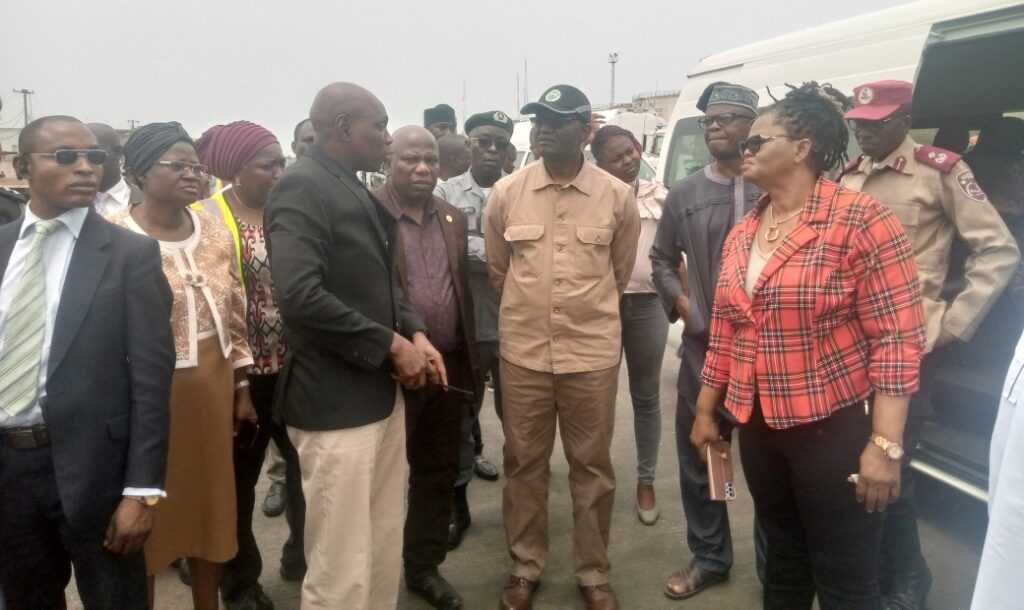
The Port Standing Task Team (PSTT) has said it already deplored surveillance mechanism on the port corridors to monitor night activities in line with tackling corrupt practices by operators and to further ease movement of vehicles.
PSTT also vowed to bring both states and non state actors to book at the appropriate time in furtherance to send strong warning to players and operators in the maritime industry .
Coordinator General , PSTT Mr. Moses Fadipe,while speaking to newsmen during an inspection tour of the port corridor on Tuesday disclosed that the team has already commenced data collations of activities along the route linking the two seaports adding that in no distance time some targeted points will be dealt with at night.
Fadipe maintained that the road actors at night has some level of control by individual who will be unveiled soon adding that the achievements recorded so far started with surveillance mechanism .
According to him, some areas are already on target and night operations will commence to eradicate some of the bad spots militating against free flow of vehicular movement.
While giving an update on operations of the PSTT, during a meeting at the Nigerian Shippers Council board room with stakeholders, Fadipe pointed out that:“We have made tremendous progress in restoring order on port access roads. Shop owners and all those who have structures on the right of way of motorists were given prior notice to vacate such areas.
“While many of such illegal structure owners complied with notices we served them, there were those who did not comply and we had to move in to enforce the presidential directive to achieve our mandate”.
Narrating the challenges faced by members of the team, Fadipe bemoaned the actions of state actors (consisting of federal and state agencies and their agents and the confusion caused by and non-state actors such as touts and troublemakers as obstacles to effective operations of the PSTT
“We have been attacked physically on several occasions by non-state actors who are bent on having a place along the port corridor. One of our members has been seriously injured and hospitalized for weeks but he is recovering. We need the cooperation and support of all maritime stakeholders to succeed in our work to restore order and efficiency in the ports”, Fadipe said.
Earlier, the Executive Secretary,Nigerian Shippers Council, Mr Emmanuel Jime , Hon. Emmanuel Jime said the review is necessitated by the need to increase port efficiency and ensure free flow of traffic in all port roads within and around Apapa.
According to him “Operation free the port corridor is essentially intended to rid the ports of inefficiencies and corrupt practices to enhance the ease of doing business in the ports. The first phase of the operation was launched to clear the port access road from Apapa to Ijora. This was a huge success as observed by Maritime stakeholders and all those who use the road”.
“The success of that operation led to the launch of the second phase on the 24th of June 2022 to clear the route from the Apapa Port complex gate to Tin Can, coconut, Mile 2, Orile, Ijora down to Apapa, a distance of about 15.6 km”.
“This area was littered with chanties and trucks parked indiscriminately, thereby posing untold hardship to commuters and creating opportunities for extortion and other corrupt practices for state and non-state actors” Jime said
Highpoints of the stakeholders meeting was the distribution of raincoats and boots for both government agencies and non state actors.

Maritime Agencies
Dredgers’ Body Disowns Report Alleging Extortion Against Lagos Commissioner Alebiosu, Cardoso.
By Izuchukwu Ozoemena
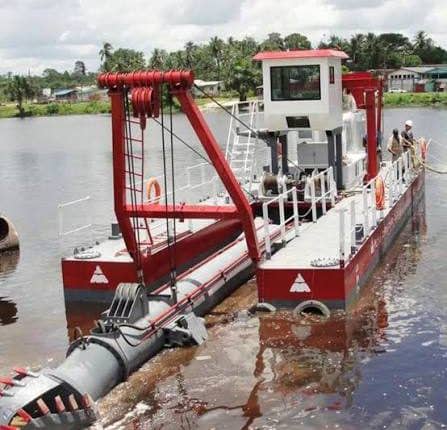
The Dredgers Association of Nigeria (DAN) has distanced itself from a report entitled ‘Dredgers Association Appeals to Sanwo-Olu Over Alleged Extortion, Urges Governor to Call Alebiosu, Cardozo to Order’, published on October 23, 2026 by some online blogs.
In a disclaimer jointly signed by Batare Akpomejero and Richard Ntan, National President and Secretary respectively, the Association categorically stated that the publication is fake and could not have originated from its National Leadership or any authorised organ of the dredgers’ body.
DAN clarified that it neither authorised, approved nor issued any petition or press release accusing Hon. Ekundayo Alebiosu, Commissioner for Waterfront Infrastructure Development, Lagos State, and Mr. Cardozo of harassment, intimidation or extortion of dredgers and tipper operators.
The Association further stated that it had no record of the alleged impounding of trucks and demand for ₦500,000 as reported in the publication, adding that it completely dissociated itself from the claims.
Reaffirming its relationship with the Lagos State Government under the leadership of Governor Babajide Olusola Sanwo-Olu, DAN described its engagement with the government and the Ministry of Waterfront Infrastructure Development as cordial and collaborative.
On matters relating to dredging regulations and the interpretation of Supreme Court judgments concerning shoreline authority, the Association explained that discussions were being pursued through appropriate institutional channels and dialogue with relevant federal and state authorities, rather than through media confrontations.
Consequently, DAN has disclaimed the report in its entirety, urging the public, the Lagos State Government, Hon. Alebiosu and other stakeholders to disregard the publication as a statement issued on behalf of the Association.
DAN also expressed regret over any embarrassment, inconvenience or reputational damage the publication may have caused the Lagos State Government, the Honourable Commissioner and other officials mentioned.
It reaffirmed its commitment to promoting lawful, sustainable and collaborative dredging operations across Nigeria, while maintaining constructive engagement with relevant authorities and stakeholders.
By Izuchukwu Ozoemena
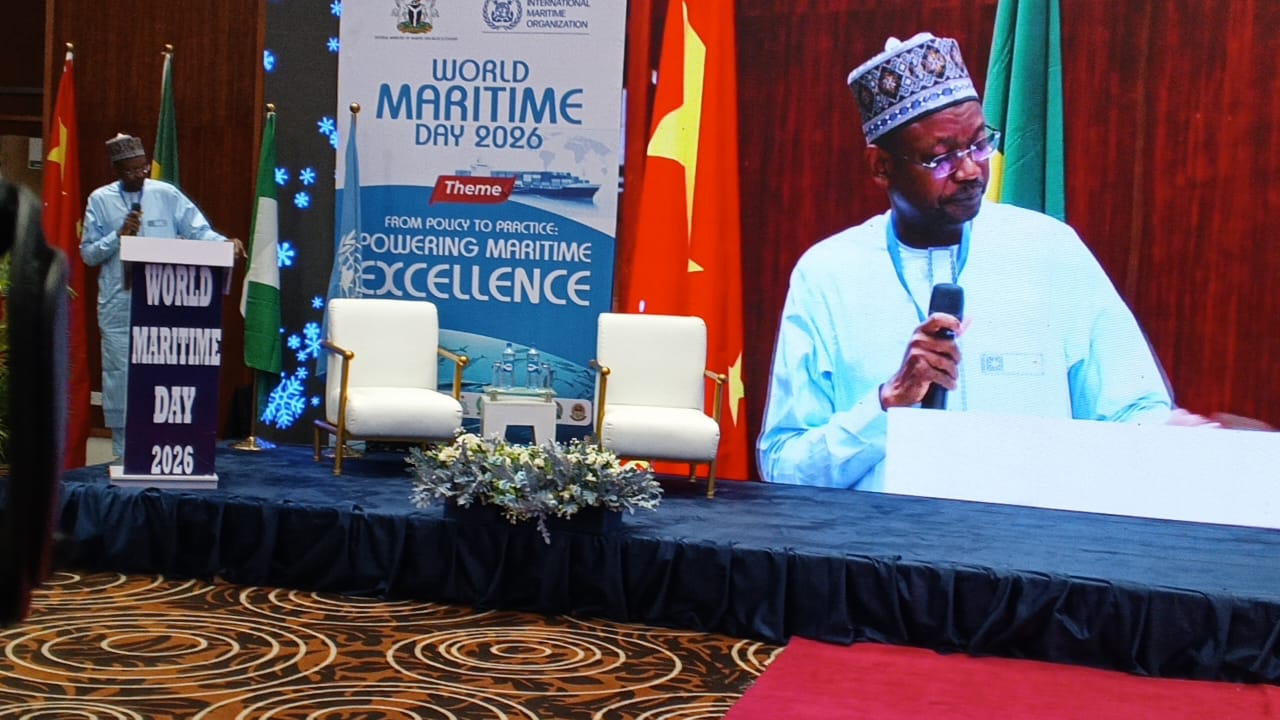
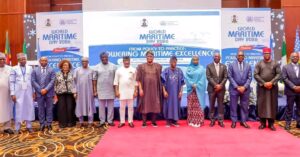
The National Inland Waterways Authority (NIWA) is committed to translate maritime policies into practical results as part of efforts to ensure safer waterways, reliable infrastructure and sustainable economic growth.
NIWA Acting Managing Director, Alhaji Yusuf Girei made the commitment while congratulating stakeholders in his goodwill message during the 2026 World Maritime Day celebration.
This year’s celebration whose theme was“From policy to practice: Powering excellence,” has in attendance was graced the Minister of Marine and Blue Economy, His Excellency Dr. Adegboyega Oyetola, CON; the Ministry’s Permanent Secretary Mrs. Fatima Sugra Mahmood, FSM, MCIPM; Chairperson and Keynote Speaker, Mrs. Mfon Usoro; Directors and Heads of Departments, CEOs of Parastatals under the Ministry, members of the diplomatic corps, industry stakeholders and the media.

“This year’s theme,” Alhaji Girei said, “reminds us that strong policies create value only when they are translated into meaningful action. In the maritime sector, that means safer waterways, reliable infrastructure, environmental stewardship and services that support trade and economic growth.”

He noted that NIWA remains committed to working with State Governments, industry stakeholders, host communities and development partners to improve navigation, strengthen safety standards, modernise facilities and protect the waterways on which many livelihoods depend.
Speaking about excellence in the maritime sector, he described it as a shared responsibility that requires skilled professionals, effective regulation, investment in innovation and a culture that places safety and sustainability at the heart of operations.

“By working together, we can build a maritime sector that is competitive, inclusive and prepared for the future,” he added.

He commended President Bola Ahmed Tinubu, the Minister of Marine and Blue Economy, the Permanent Secretary and all stakeholders whose commitment keeps the maritime industry moving, and urged participants to turn shared ambition into practical results.
The celebration peaked when Alhaji Girei joined in the award presentation for the Primary School Children’s Essay Competition category sponsored by NIWA. The first position went to Idris Jibril Oladimeji of Holy Cross Primary School, Lagos, who won N200,000 cash and a laptop computer. The second position went to Suleiman Aisha of St. Paul’s Anglican School, Lagos Island, who received N150,000 and a laptop computer, while the third position went to Yahaya Aliyah of St. Mathias Girls Primary School, Lagos, who received N100,000 cash and a laptop computer.
On behalf of the Board, Management and Staff of NIWA, he wished all stakeholders a successful World Maritime Day celebration.
Maritime Agencies
NAGAFF President, Chief Ezisi, Visits PTML Customs, Urges Deepened Customs-Freight Forwarders Partnership.
By Izuchukwu Ozoemena
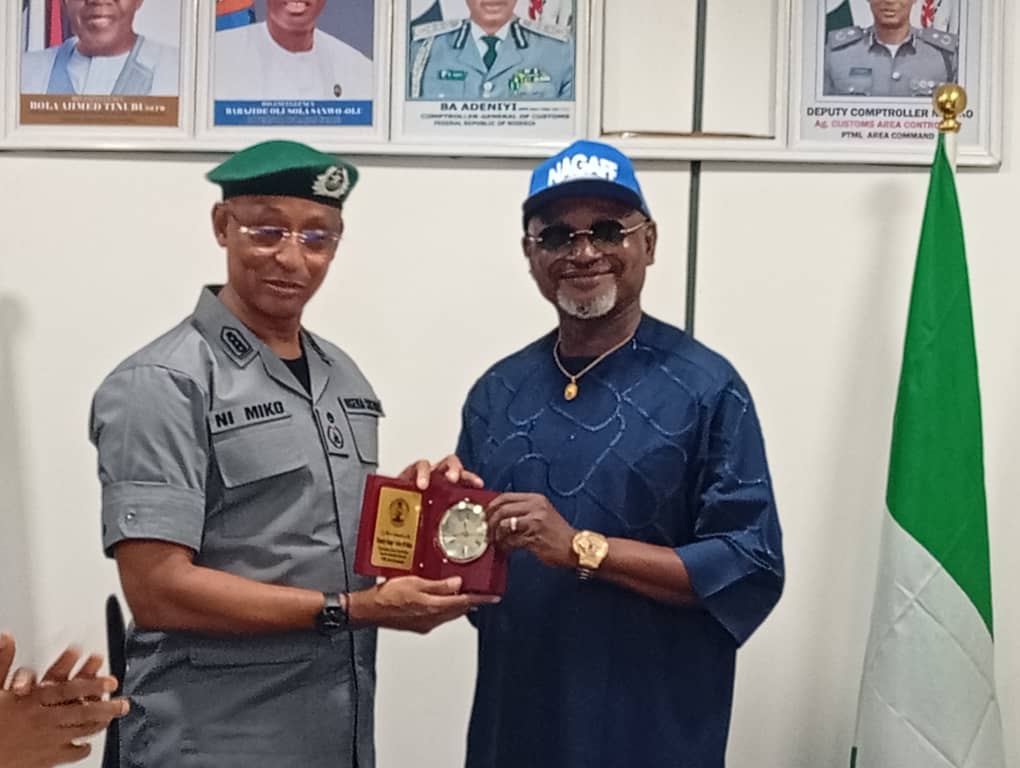
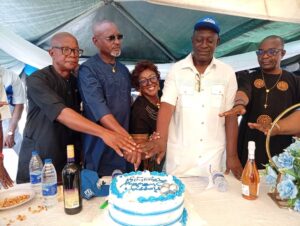
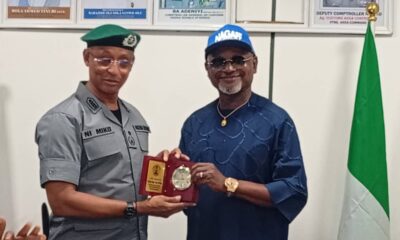
Chief Tochukwu Ezisi, National President, National Association of Government Approved Freight Forwarders (NAGAFF) has given kudos to the Controller of the PTML Command of the Nigeria Customs Service, Comptroller N. I. Miko, for the support extended to freight forwarders at PTML, enjoining him to sustain the tempo and assist the NAGAFF chapter to deepen the relationship for mutual benefits.
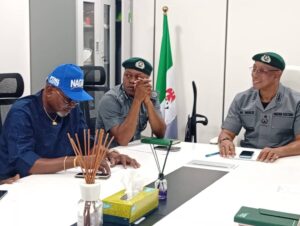
Chief Ezisi made the commendation, Thursday, when he led the association’s high command on a familiarization visit to the Customs Area Controller (CAC) of the PTML Command.
Ezisi who used the opportunity to welcome the CAC to the Customs Command also introduced the newly-elected executive of the NAGAFF PTML Chapter democratically elected to manage its affairs for the next four years.
Describing NAGAFF as a law-abiding organisation which has maintained a longstanding relationship with the Customs Service, Chief Ezisi stressed the importance of collaboration, compliance and professionalism in facilitating legitimate trade.
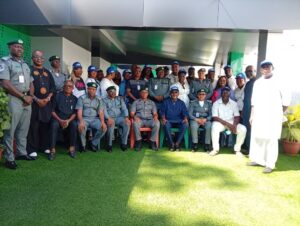
He urged Miko to maintain open communication with the chapter’s leadership and whenever disagreements or operational challenges arose, the national leadership would intervene where necessary to resolve issues.
As in other large organisations, Ezisi acknowledged, members with different dispositions and approaches to matters populate NAGAFF and managing them and their differences remains the hallmark of effective leadership at all times.
He also told the CAC that as a body, NAGAFF has in place an active special intervention outfit, a compliance team with guiding slogan, “If you see something, say something.” This body monitors the activities of her members and other freight forwarders who willingly subvert compliance standards in the line of duties.
NAGAFF, he explained, is a non-profit association of freight forwarders whose headquarters relies on the contributions and activities of its chapters to fulfill its responsibilities to the industry.
In his response, the Customs Area Controller of the PTML Command, Comptroller Nura Ibrahim Miko, assured NAGAFF members of the Command’s continued cooperation. He described the relationship between Customs officers and freight forwarders at the terminal as very cordial and will always be, going forward.
Miko recalled NAGAFF’s organizational structure, describing it as impressive, particularly the commitment to training and capacity development of members through the NAGAFF Academy .
The PTML Command would continue to support freight forwarders, the CAC pledged as Customs officers and industry operators would continue to deepen the existing harmony and cooperation in the workplace.
He assured that the Command would continue engaging terminal operators on the need to improve the working environment for both Customs officers and freight forwarders.
Miko encouraged freight forwarders to report any shortcomings in the conduct of Customs officers, assuring them that the command would take feedback seriously and work towards improvement.
He also urged stakeholders to acknowledge good performance, emphasising that constructive engagement, mutual respect and collaboration were essential to effective operations.
He reaffirmed his management’s readiness to sustain the healthy relationship with the association and other stakeholders.
Giving a vote of thanks, NAGAFF’s Vice President (Headquarters), Simeon Nwonu, expressed pleasure of the assurance of a continued cordial relationship and accessibility stakeholders associate CAC Miko with right from the Apapa Command.
He thanked Comptroller Miko for the warm reception, expressing confidence that NAGAFF members operating at PTML would benefit from continued engagement.


Dredgers’ Body Disowns Report Alleging Extortion Against Lagos Commissioner Alebiosu, Cardoso.

2026 World Maritime Day: Nigeria Subscribes to Safer Waterways and Excellence.

NAGAFF President, Chief Ezisi, Visits PTML Customs, Urges Deepened Customs-Freight Forwarders Partnership.

Ogun 1 Customs Hits Smugglers Hard 15 Days into New Leadership, Intercepts N3.15 bn Contrabands.

Lekki Port Customs Confiscates 400kg of Suspected Cannabis Sativa Worth over N2.26bn, Hands over To NDLEA.

MARAN Trains Members at Shipping Institute, Pledges Sustained Capacity Building.

Deputy Comptroller Nkiru Nwala Takes Over C’River, Calabar FTZ and Akwa Ibom Customs Command, Succeeds Comptroller Momodu Dauda.

The Price Of The Byline: When Journalists Cannot Afford To Live

Operation Whirlwind’ Auctions 22,175 Litres of PMS, Deepens Fight Against Petroleum Products Smuggling,

NIGERIA @ 66: AMBO Media Front Pinpoints Signs of a Prosperous Future .

CHANGE OF BATON AT OGUN 1 CUSTOMS: A.A.Ibrahim Succeeds O.O.Afeni, Pledges Intelligence-Driven Enforcement.

SPORTS: Group Unveils United Nigeria Airlines Ndigboamaka Traders’ Cup, 2026.

Traders’ Umbrella Group Evaluates State of the Nation, Expresses Serious Concerns of the Trading Public.

Tantita’s Oil Pipeline Surveillance Yields Huge Dividend, Shoots Nigeria’s Q2 Oil Exports Earnings To $9.39bn.

Ehingbeti Summit: Stakeholders Say Coastal Communities Need Funding for Development.

Ogun 1 Customs Repeats Stern Warning To Smugglers, Confiscates Latest Brand of Range Rover, Other Contrabands.
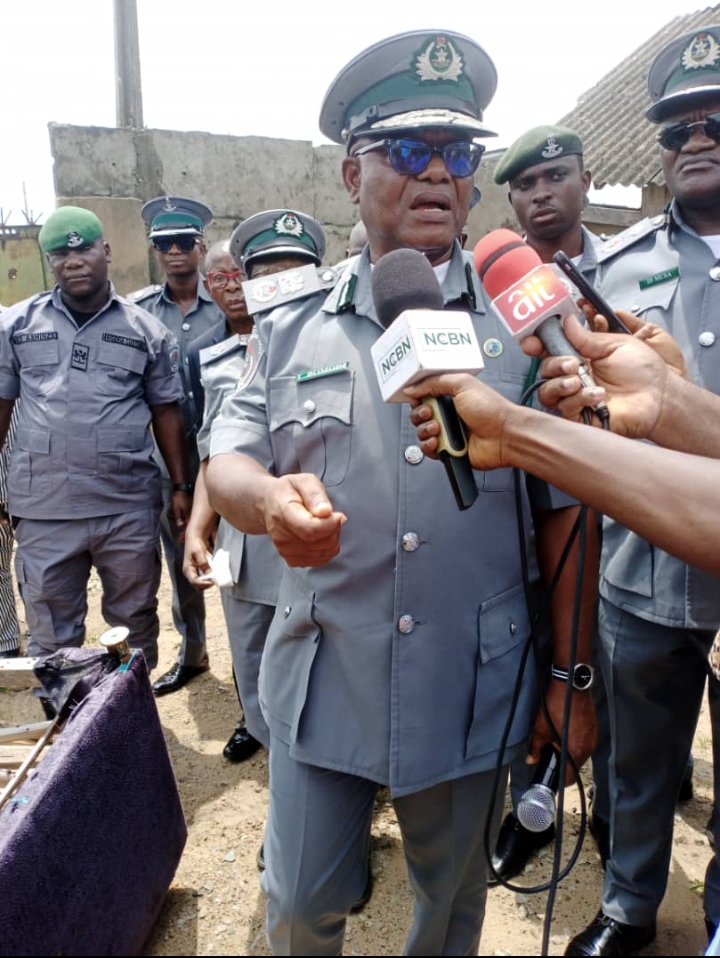
JANUARY-MAY REPORT: Seme Customs Hits N2.6bn, Facilitates ₦35.1bn Exports.

2023 ELECTIONS:CILT Hosts Seminar on Logistics & Electoral Process

ABUJA MoU: WE FUNCTION BEHIND A MASK, says Capt Umoren
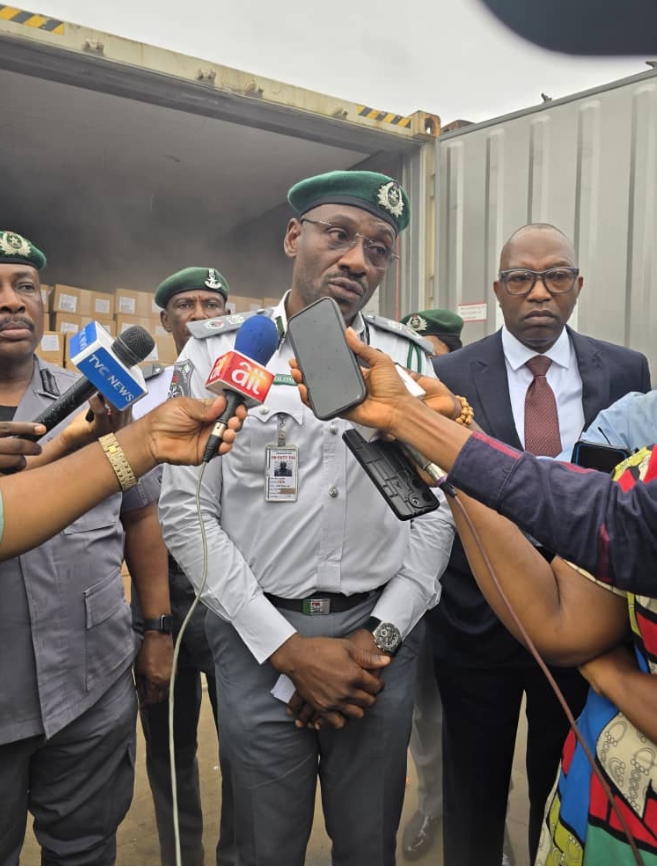
HALF YEAR, 2024: Apapa Customs Nets ₦1.024 Trillion, Records 143% Increase.

1. EXECUTIVE PLATFORM. AMES 2024: TIME TO CHANGE GOVERNMENT ATTITUDE TOWARDS SHIPPING DEVELOPMENT IS NOW, AMES President Charges FG.

B’Odogwu: Apapa Customs Collects ₦161b in 3 Weeks, Assures of Improvements .

B’ODOGWU TRADE PORTAL: Customs Consolidates, Pilots Form ‘M’ Processing.

PTML Customs Hits Over N350Bn in 9 Months, Intercepts ₦200m Illicit Pharmaceuticals,

IMPRESSIVE REVENUE DRIVE: Tincan Customs Generates ₦154.3Bn In October.

APFFLON Seeks Immediate Reform of CRFFN, Replacement of Registrar.

OMIS AWARDS, 2022: Greg Ogbeifun, Industry Gurus For Special Recognition.
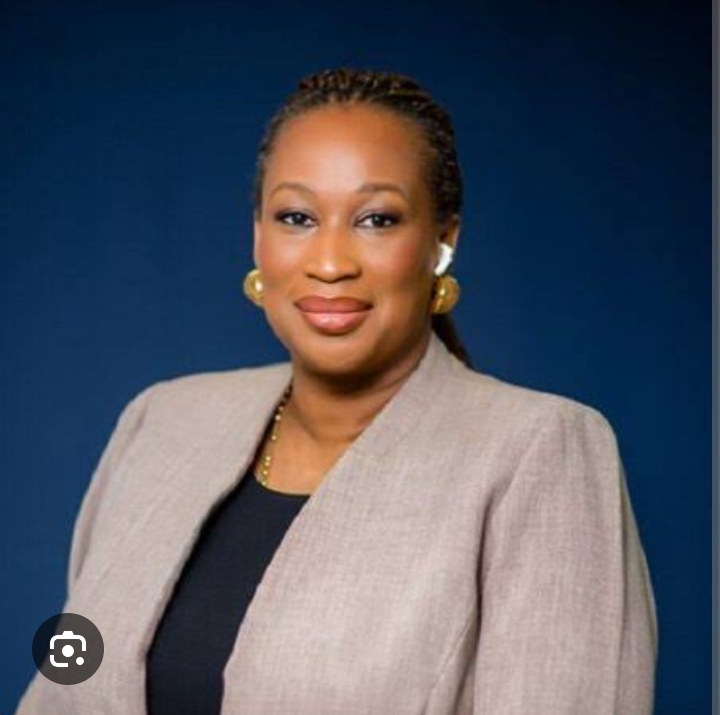
Adesuwa Ladoja Becomes MD/CEO, Lagos Free Zone.

PHOTO NEWS: Maritime Capacity Development

Photo News: Salah Celebration

Information Minister Highlights President Tinubu’s Achievements, says 2025 Is A Year of Consolidation.
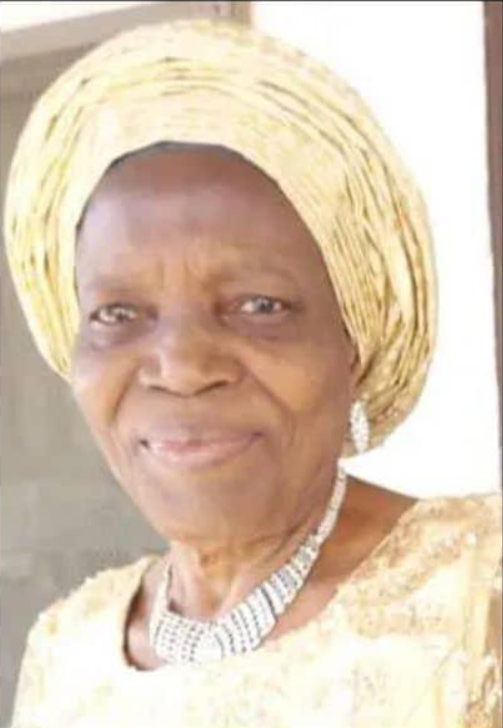
Mama Theresa Enisuoh Due For Burial April 27

-
 Maritime Agencies3 weeks ago
Deputy Comptroller Nkiru Nwala Takes Over C’River, Calabar FTZ and Akwa Ibom Customs Command, Succeeds Comptroller Momodu Dauda.
-
 Maritime Agencies2 weeks ago
MARAN Trains Members at Shipping Institute, Pledges Sustained Capacity Building.
-
 Maritime Agencies3 weeks ago
NIGERIA @ 66: AMBO Media Front Pinpoints Signs of a Prosperous Future .
-
 Maritime Agencies3 weeks ago
Operation Whirlwind’ Auctions 22,175 Litres of PMS, Deepens Fight Against Petroleum Products Smuggling,
-
 Maritime Agencies2 weeks ago
Ogun 1 Customs Hits Smugglers Hard 15 Days into New Leadership, Intercepts N3.15 bn Contrabands.
-
 Maritime Agencies3 weeks ago
The Price Of The Byline: When Journalists Cannot Afford To Live
-
 Maritime Agencies2 weeks ago
Lekki Port Customs Confiscates 400kg of Suspected Cannabis Sativa Worth over N2.26bn, Hands over To NDLEA.
-
 Maritime Agencies1 week ago
NAGAFF President, Chief Ezisi, Visits PTML Customs, Urges Deepened Customs-Freight Forwarders Partnership.