
Maritime Agencies
NIMASA’s Aggressive Campaign Against War Risk Premiums: More Talk Than Action?


By Izuchukwu Ozoemena
As the Nigerian Maritime Administration and Safety Agency (NIMASA) vows to eliminate the exorbitant and unjustifiable War Risk Insurance (WRI) premiums imposed by foreign insurance firms on Nigeria-bound ships, the actual impact of the aggressive campaign remains questionable.
This persistent drain of WRI on the Nigerian economy estimated at a staggering $500 million annually has been described as an international affront that demands immediate and decisive action.
While NIMASA claims to be aggressively campaigning against this fraud, the Maritime Reporters Association of Nigeria (MARAN), through its upcoming 3rd Annual Maritime Lecture (MAMAL 2025), is set to expose the bitter truth and champion the cause of Nigerian stakeholders.
Even as NIMASA is liaising with international partners on how best to address the matter, the financial hemorrhaging continues unabated.
Shipowners and importers, who bear the brunt of these unjustifiable premiums, are left wondering why a nation with demonstrably secure waters is still being treated as a war zone by the international shipping community.
Alhaji Aminu Umar, Managing Director of Sea Transport Services Nigeria Limited and President of the Nigerian Chamber of Shipping, rightly points out the need for NIMASA to engage the Joint War Committee, the body responsible for waiving or imposing WRI.
However, despite their efforts, the WRI remains firmly in place, raising concerns about the agency’s effectiveness in truly challenging this deeply entrenched international politics, as described by the President of the Nigeria Shipowners Association (NISA), Mr. Sola Adewunmi.
For years, the justification for WRI on Nigerian-bound cargo stemmed from the very real threat of piracy and Niger Delta militancy. However, as confirmed by the International Maritime Bureau (IMB) in 2021, Nigeria has been officially removed from the list of piracy-prone countries.
The International Bargaining Forum (IBF) further validated this progress in 2023, delisting Nigeria from high-risk maritime nations.
The Minister of Marine and Blue Economy, Adegboyola Oyetola, has also repeatedly affirmed that there hasn’t been a single pirate incident in Nigerian waters for over three years, attributing this peace to the multi-billion naira Deep Blue Project spearheaded by NIMASA.
Yet, foreign insurance companies like Lloyd’s of London and various P&I clubs continue to levy these war risk surcharges.
This isn’t just an inconvenience; it’s a monumental financial drain. In the past three years alone, Nigeria has coughed up an eye-watering $1.5 billion in WRI premiums. To put this into perspective, a Very Large Crude Carrier (VLCC) can incur a WRI surcharge of approximately $445,000 per voyage, while a new container vessel might face a hefty $525,000. Shipping giants like Maersk even tack on additional “transit disruption surcharges” of up to $450 per container.
This translates directly to higher costs for Nigerian importers and exporters, ultimately passed on to the ordinary citizen, who pays inflated prices for goods.
Against this backdrop of frustration and economic detriment, the Maritime Reporters Association of Nigeria (MARAN) is taking decisive action.
MARAN’s 3rd Annual Maritime Lecture (MAMAL 2025), slated for August 28, 2025, at the Eko Hotel and Suites in Lagos, is set to be a groundbreaking event that directly confronts WRI as an international fraud.
With the theme “Addressing the Burden of War Risk Insurance on Nigerian Maritime Trade,” MAMAL 2025 aims to be more than just a discussion forum. It’s a rallying cry to the Federal Government and all affected stakeholders to acknowledge the severe economic implications of these unjust charges.
MARAN President, Mr. Godfrey Bivbere, has unequivocally condemned WRI as an international fraud burdening the economy of Nigeria and other developing countries in the Gulf of Guinea.
MAMAL 2025 promises to dissect every facet of this issue, from the perceived threats to the profound implications of persistent Extra War Risk Insurance (EWRI). It will scrutinize the roles of classification societies like Lloyd’s of London and critically examine the contributions of core stakeholders, including NIMASA, the Nigerian Navy, and other maritime and security operators.
Crucially, MAMAL 2025 will draw over 500 key stakeholders, including maritime security experts, shipowners, terminal operators, international shipping lines, diplomats, insurers, regulators, and legal experts.
This broad engagement, driven by MARAN’s respected voice in the industry, offers a genuine opportunity for a united front against this exploitative practice.
While NIMASA talks to the UN, MARAN is bringing together the very people and organizations directly impacted, creating a platform for collective action and a more forceful demand for change.
The continued imposition of War Risk Insurance on Nigerian-bound vessels is an affront to the nation’s efforts in securing its maritime domain and a significant impediment to its economic growth. It’s time for a definitive resolution, and MAMAL 2025, driven by the persistent advocacy of MARAN, appears to be the most promising avenue for achieving it.




Maritime Agencies
Nigeria Canvasses Regional Co-operation, Investment Drive at Liberia Fisheries Summit.
By Izuchukwu Ozoemena
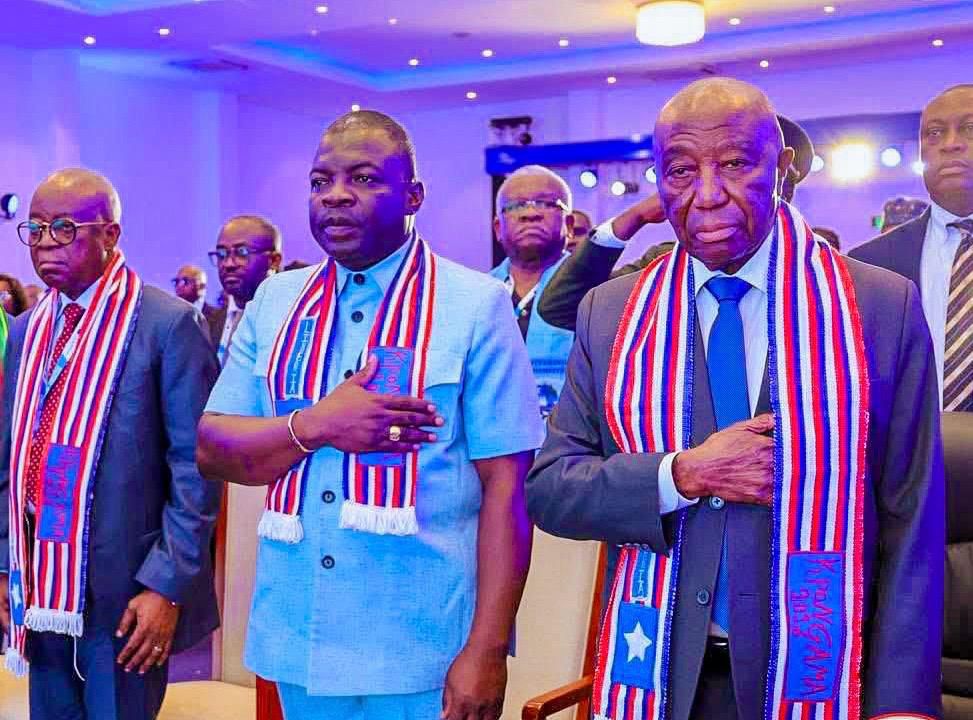
H. E. Adegboyega Oyetola, Nigeria’s Minister of Marine and Blue Economy and Chairman, Fisheries Committee for the West Central Gulf of Guinea, is pushing for stronger regional co-operation and increased investment in the fisheries sector across West and Central Africa.
According to a release by Dr Bolaji Akinola, the Minister’s Special Adviser on Communications, the Minister made the call in Monrovia, Liberia, Monday, while speaking at the National Fisheries Investment Conference, March 30 to 31, 2026. The conference which was declared open by Liberia’s President, Joseph Nyuma Boakai, was attended by Ministers responsible for fisheries and aquaculture from across the West African subregion.
Describing the gathering as timely, Oyetola said it provided an important platform to unlock opportunities in fisheries and the wider blue economy. “This Conference comes at a critical time for our region,” he said, noting that the sector remains central to food security, employment and economic growth.
According to him, millions of people across West and Central Africa depend on fisheries and aquaculture for their livelihoods, while fish remains one of the most affordable sources of protein. However, he warned that the sector continues to face serious challenges.
“Despite our rich marine and inland water resources, the sector continues to face significant challenges,” he said, citing declining fish stocks, weak infrastructure, and limited access to finance and modern technology.
Dr. Oyetola emphasised that addressing these challenges requires a clear focus on sustainability, investment and regional collaboration. He stressed that without proper management of marine and inland resources, long-term gains would be impossible.
“Our oceans, rivers, and coastal ecosystems must be carefully managed… without sustainability, long-term benefits cannot be achieved,” he stated.
He said the the Federal Government under President Bola Ahmed Tinubu is repositioning fisheries and aquaculture as key drivers of the blue economy. He explained that policies aimed at boosting local production, reducing imports and strengthening regulation are already delivering results, including continued access to international markets for shrimp exports.
He also highlighted broader reforms in Nigeria’s blue economy, including actions to tackle marine pollution, improve port infrastructure and enhance maritime security. According to him, the country’s recent record of zero piracy incidents has helped improve investor confidence in the Gulf of Guinea.
On investment, the minister called for greater funding across the entire fisheries value chain including aquaculture, processing, cold-chain logistics and export development. He noted that with the right policies in place, the sector could generate jobs, particularly for young people, and contribute significantly to economic growth.
He also underscored the importance of regional co-operation, pointing out that fish stocks cut across national boundaries.
“No single country can tackle illegal, unreported, and unregulated fishing alone,” he said, adding that stronger collaboration through regional bodies such as the FCWC is essential.
In his role as Chairman of the FCWC Ministerial Committee, Oyetola reaffirmed the organisation’s commitment to strengthening joint efforts in fisheries governance. He highlighted ongoing initiatives, including a regional record of fishing vessels, coordinated patrols and information-sharing systems aimed at improving enforcement and sustainability.
The minister further noted that the FCWC is working to harmonise fisheries policies among member states and promote trade within the region, with the goal of improving value chains and attracting investment.
Maritime Agencies
PORTS MODERNIZATION, NATIONAL SINGLE WINDOW TO TACKLE PORTS CHALLENGES, Says NPA MD.
By Izuchukwu Ozoemena
The Nigerian Ports Authority (NPA) has, once again, reiterated plans to revolutionize the nation’s ports system with the implementation of the National Single Window Project and Ports Modernisation system.
The Managing Director of NPA, Dr. Abubakar Dantsoho, disclosed this during an interactive session with maritime journalists in Lagos.
Represented by Mr Ikechukwu Onyemekara, the General Manager, Corporate and Strategic Communications of the Agency, the MD said the modernisation project will cover all seaports ports nationwide. However, the project is set to kick off in Lagos ports with a significant investment of $700 million from the Federal Government.
He allayed concerns being expressed in some quarters that the eastern ports are excluded from the 746 million pounds ports modernization deal signed in the UK recently, assuring that the deal would involve ports nationwide on phases. He stated contrary to opinions being canvassed and fears being expressed on the fate of other ports, the case of Apapa and Tincan ports is understandable because ports business is international and the customer decides where his cargoes go. NPA is merely an umpire; the port users’ interests and preferences remain paramount.
The ports modernization process is expected to tackle pressing issues such as port congestion and delays in cargo clearance which have long plagued the sector.
According to Dantsoho, the NPA is also working to improve logistics, including rail transportation from APMT terminal and alternative cargo transport options.
The NPA is reviewing the Efficiency, Throughput, and Optimization (ETO) initiative put in place to address logistics chain challenges in the country’s port system. The review, Dantsoho assured, would yield a more effective implementation plan with provisions to ensure the ETO works seamlessly.
”When we were doing the dredging, the ports in the East were also carried along,” he said.
Government investments are focused on areas with returns on investment which is why Lagos is the starting point.
The NPA MD expressed optimism that the agency’s vision for the ports industry would leave a lasting legacy for future generations.
He urged the media to play a proactive role in monitoring societal developments, emphasizing the importance of a free and vibrant press in driving progress and accountability.
”The media has been advised to be creative and step up its role as watchdog of the society,” he concluded.
Maritime Agencies
Oyetola Welcomes EU Delegation, Urges Stronger Role Against Illegal Fishing, Maritime Crimes in the GoG.
By Izuchukwu Ozoemena
A call has gone out for deeper collaboration with the European Union (EU) to address emerging maritime threats, particularly illegal fishing, trafficking and environmental crimes in the Gulf of Guinea.
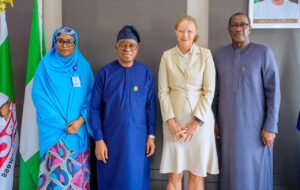
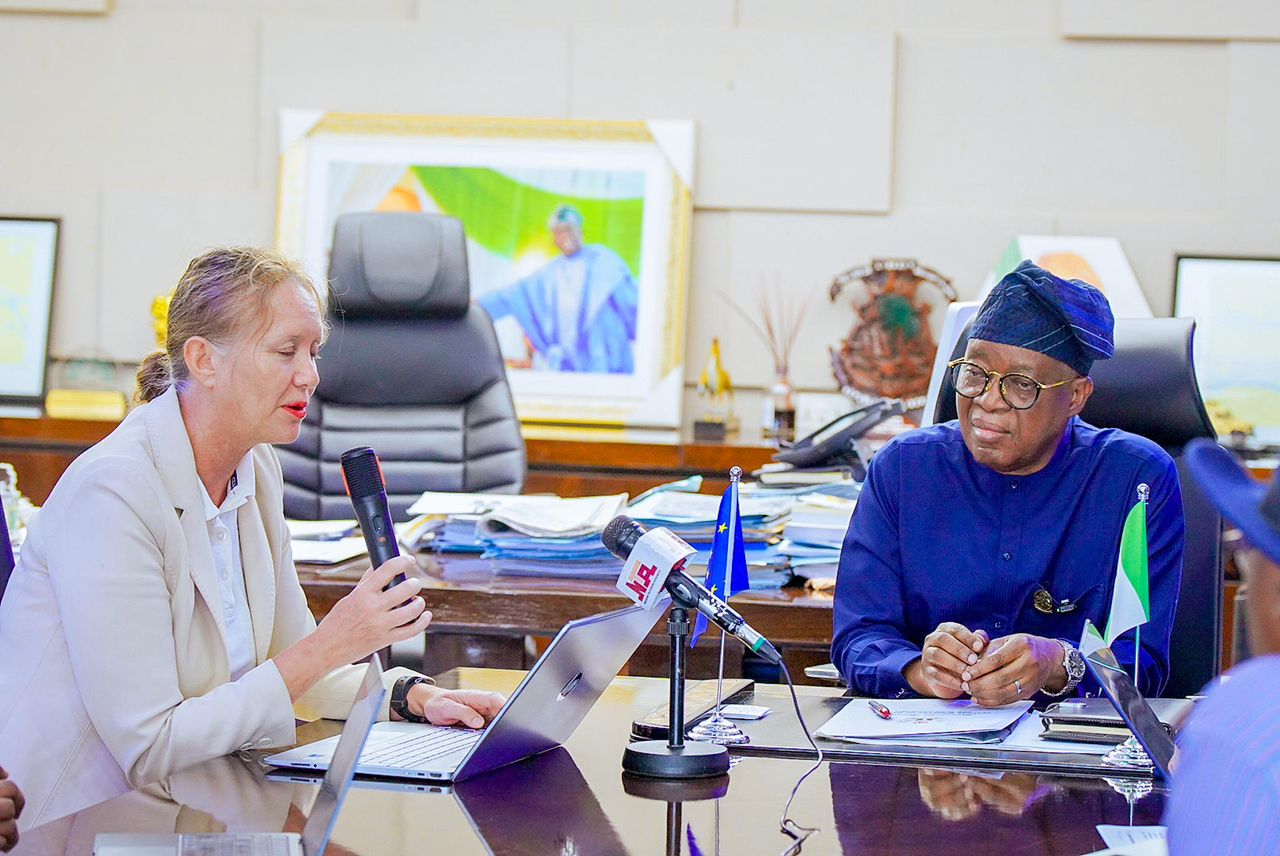
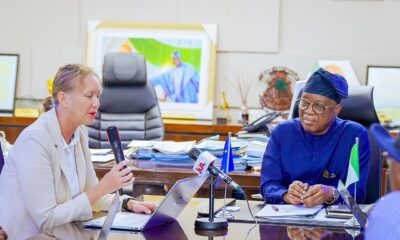
Minister of Marine and Blue Economy, Dr. Adegboyega Oyetola, made the call in Abuja,Thursday, while receiving a delegation from the EU Evaluation Mission on the Gulf of Guinea Inter-regional Network (GoGIN II) Project. Evolving security challenges in the region, Oyetola emphasized, require a broader, more integrated and sustained response anchored on strong international partnerships.
According to a press release by Dr Bolaji Akinola, the Minister’s Special Adviser on Communications, the delegation led by Ms Stéphanie Vergniault, is in Nigeria as part of an independent assessment of the EU-funded initiative, which supports maritime coordination and information sharing across the Gulf of Guinea.
Dr. Oyetola reiterated Nigeria’s firm commitment to the Yaoundé Architecture for Maritime Security, describing it as a vital platform for regional cooperation, collective response and intelligence exchange. He noted that EU-backed interventions such as GoGIN II have played an important role in strengthening this framework, particularly by enhancing maritime domain awareness and facilitating closer collaboration among national and regional agencies.
The Minister acknowledged the impact of the YARIS information-sharing system in improving coordination among maritime stakeholders, while stressing the need to sustain and optimise its operational use. He also highlighted the importance of improving interoperability between regional centres and national institutions, alongside continued capacity building and technical support.
Pointing to Nigeria’s own efforts, the Minister cited the success of the Deep Blue Project, which has contributed to a significant reduction in piracy and armed robbery at sea in the Gulf of Guinea in recent years. The progress recorded, he said, demonstrates the effectiveness of combining national ownership with regional and international support.
As the GoGIN II programme nears completion, the Minister urged stakeholders to focus on consolidating its achievements and ensuring long-term sustainability through stronger regional ownership mechanisms. He stressed that maintaining the gains recorded would be critical to securing the maritime domain and supporting economic activities across the Gulf of Guinea.
Earlier, Ms Vergniault explained that the evaluation seeks to assess the programme’s performance, operational results and sustainability, while identifying lessons that could shape future maritime security initiatives. She noted that the mission, which also includes Captain Alioune Diop, is engaging key stakeholders in Nigeria to gather operational feedback on the use of the YARIS platform, the programme’s contribution to coordination under the Yaoundé Architecture, and the prevailing challenges in the maritime sector.


Nigeria Canvasses Regional Co-operation, Investment Drive at Liberia Fisheries Summit.

PORTS MODERNIZATION, NATIONAL SINGLE WINDOW TO TACKLE PORTS CHALLENGES, Says NPA MD.

Oyetola Welcomes EU Delegation, Urges Stronger Role Against Illegal Fishing, Maritime Crimes in the GoG.

Maritime Journalists’ Group, MARAN, Set To Honour Her Past Leaders.

Tincan Customs Posts Over N120.4bn in February, 2026, A Huge Leap Above the February 2025 Records.

TRADE FACILITATION: FG Unveils National Single Window To Encourage Coordinated and Technology-Driven Trade System.

NIMASA Collaborates With KAIPTC To Empower West African Women For Digital Participation In Maritime Sector.

INTERNATIONAL WOMEN’S DAY, 2026: NIMASA Commits To Women Inclusion in Maritime Sector.

Apapa Customs Hits Smugglers Hard After CGC’s Visit, Intercepts ₦3.398 Billion Codeine Syrup In 5 Days.

MAN, Oron, Pushes Actualization of Her Mandate Beyond Nigeria, Seeks Strategic Partnership with Liberia Maritime Training Institute

HAPPY BIRTHDAY, DOUBLE CAPTAIN!

NPA’s 2025 Operational Performance Report Validates FG’s Economic Diversification Initiatives.

Dedication To Service Earns NIWA’s Engr Sarat Braimah the Nelson Mandela Pan African Leadership Award.

NATIONAL SECURITY: Tantita Security Donates Command Centre, Vehicles to Boost NSCDC Operations.

SEME CUSTOMS HITS N3.4Bn IN FEBRUARY FOLLOWING A SURGE IN EXPORT OF AGRO PRODUCTS.

”NATIONAL SINGLE WINDOW WILL CUT CARGO CLEARANCE TIME BY 75%,” NAGAFF President, Tochukwu Ezisi says.

2023 ELECTIONS:CILT Hosts Seminar on Logistics & Electoral Process

1. EXECUTIVE PLATFORM. AMES 2024: TIME TO CHANGE GOVERNMENT ATTITUDE TOWARDS SHIPPING DEVELOPMENT IS NOW, AMES President Charges FG.

APFFLON Seeks Immediate Reform of CRFFN, Replacement of Registrar.

OMIS AWARDS, 2022: Greg Ogbeifun, Industry Gurus For Special Recognition.

B’ODOGWU TRADE PORTAL: Customs Consolidates, Pilots Form ‘M’ Processing.

FG Set To Re-establish National Shipping Line, To Take Advantage of $10 bn Annual Ship Charter Market.

PHOTO NEWS: Maritime Capacity Development

Photo News: Salah Celebration

Sylvanus Ekpo, ex-Editor, Shipping World Magazine, loses Mum

WAR AGAINST OIL THEFT: Tompolo’s Company Nabs VLCC Laden With Crude Oil
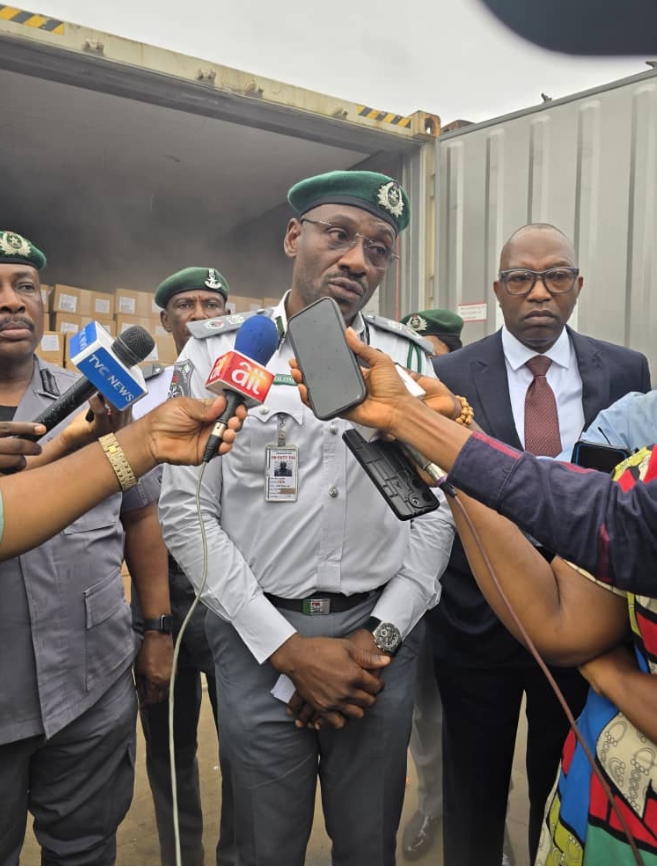
HALF YEAR, 2024: Apapa Customs Nets ₦1.024 Trillion, Records 143% Increase.
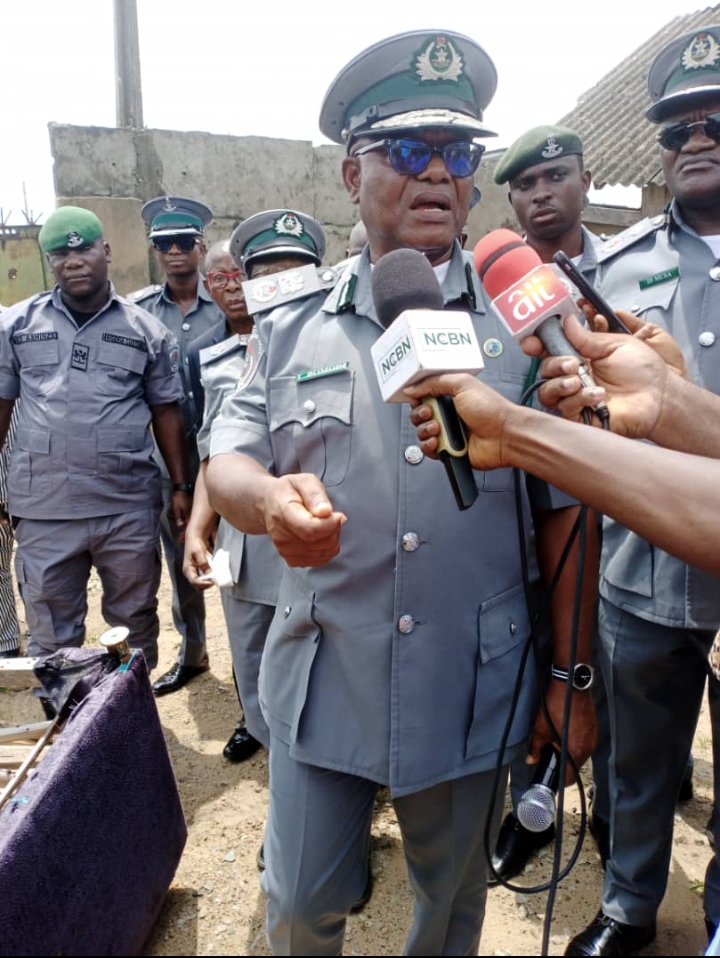
JANUARY-MAY REPORT: Seme Customs Hits N2.6bn, Facilitates ₦35.1bn Exports.

INLAND WATERWAYS OFFERS NIGERIA ALTERNATIVE REVENUE SOURCE, Says Sambo
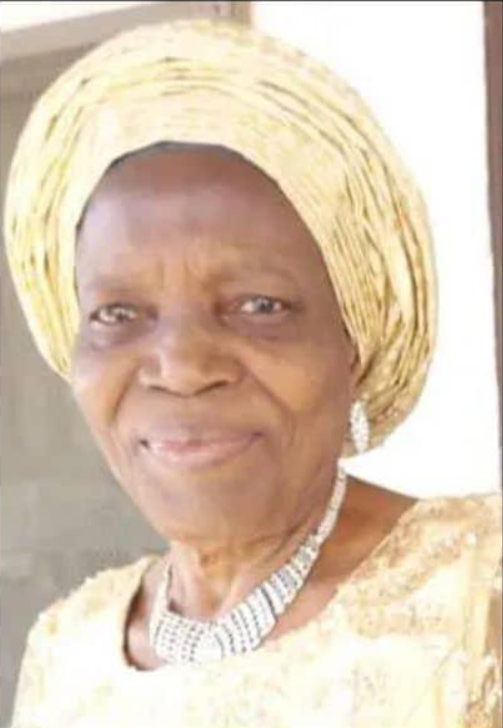
Mama Theresa Enisuoh Due For Burial April 27

MAN, ORON: It’s Encomiums Galore From International Seabed Authority (ISA).

SIFAX GROUP: Ojeniyi Becomes Sky Capital GMD, Omajuwa Strategy Director.

-
 Maritime Agencies2 weeks ago
Apapa Customs Hits Smugglers Hard After CGC’s Visit, Intercepts ₦3.398 Billion Codeine Syrup In 5 Days.
-
 Maritime Agencies3 weeks ago
MAN, Oron, Pushes Actualization of Her Mandate Beyond Nigeria, Seeks Strategic Partnership with Liberia Maritime Training Institute
-
 Maritime Agencies2 weeks ago
INTERNATIONAL WOMEN’S DAY, 2026: NIMASA Commits To Women Inclusion in Maritime Sector.
-
 Maritime Agencies2 weeks ago
NIMASA Collaborates With KAIPTC To Empower West African Women For Digital Participation In Maritime Sector.
-
 Maritime Agencies7 days ago
Tincan Customs Posts Over N120.4bn in February, 2026, A Huge Leap Above the February 2025 Records.
-
 Maritime Agencies7 days ago
TRADE FACILITATION: FG Unveils National Single Window To Encourage Coordinated and Technology-Driven Trade System.
-
 Maritime Agencies5 days ago
Oyetola Welcomes EU Delegation, Urges Stronger Role Against Illegal Fishing, Maritime Crimes in the GoG.
-
 Maritime Agencies5 days ago
Maritime Journalists’ Group, MARAN, Set To Honour Her Past Leaders.