
Maritime Agencies
Lekki Deepsea Port: The Success Story of the Nigerian Ports Authority.


By Izuchukwu Ozoemena
The $1.5 billion Lekki Deepsea Port which commenced operations in April 2023 with a capacity to process about 1.2 million cargoes annually continues to receive commendation for various operational milestones it has achieved within so short a time. Parading the draught of 16.5 metres, the deepest of ports under the superintendence of the Nigerian Ports Authority (NPA), it sits on a 19- hectare land area, a recent facility tour by Police authorities has revealed.
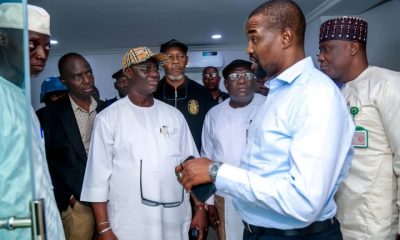
The tour which commenced at Lekki Deep Sea Port, had the Police authorities received by the Chief Operations Officer, Mr. Weiliang Zhong, alongside NPA Port Manager, Mr. Emmanuel Anda and other senior officials.
So far, the Lekki Deepsea Port has successfully transhipped over 62,000 twenty foot equivalent units (TEUs) to various West African countries; its smart port model is unique in Nigeria while the short turnaround time for vessels stands at just 2 days. The physical layout of the Port has a 2 kilometres breakwater ridge which calms the waves from the harbour with a 9.6 kilometre channel providing the way for the 4 tug boats used by the Port to bring in the large vessels that drop cargoes.
The Port has a 680m quay length, with a breakwater of 2km for the Phase 1 operations. Upon expansion to Phase 2, the quayway will be extended to 1,500m, and the depth will become minus 19.5meters in the near future.
The Port’s development was made possible through a 45-year Build, Own, Operate and Transfer (BOOT) model from the NPA.
The scanners only need about 33 seconds to scan a container as soon as the 5 gantry (ship to shore cranes) have done the usual evacuation. The stacking method follows the 7 wide , 6 heights system. Moving à container from ship to shore takes a maximum of 3 minutes and presently, about 20% of the cargoes are evacuated through barges. The Port’s integrated automated operations makes business easier for port users.
From January to August 2025, the port recorded 88,432 TEU imports, 123,013 TEU exports, 62,581 TEU transshipment moves, 16,925 TEU restows, and 34,710 TEU barge movements with a projection to handle over 500,000 TEUs by end of 2025. Transshipment already represents 38 per cent of total activity, signalling the port’s growing hub status.
Mr Emmanuel Anda, the Lekki Port Manager, has been commended for contributing to improve operational services at the port . This has seen the Port engage in various innovative operational methods involving the transshipment of cargoes. The Port has evolved into a strategic maritime gateway, reshaping the logistics landscape of West Africa and opening new corridors for trade and industrial ambition across the continent.
The port facility includes three container berths, three liquid bulk berths and one dry bulk berth. The dry bulk and liquid terminal operations are in view. The Port is presently operating at about 50% of its designed capacity. Barge operations currently account for 20% of cargo movement, but rail connectivity is essential for long-term efficiency, particularly with the Lekki Free Zone’s industrial activities.
Lekki Port’s technological design integrates automated gates, OCR systems, ship-to-shore cranes, rubber- tyred gantry cranes, FS 6000 drive-through scanners, truck parks, and advanced control systems.
Its berth productivity averages 18 to 20 moves per hour, with truck turnaround time at approximately 45 minutes and container dwell time at 12 to 13 days. The Port is currently Nigeria’s second-largest terminal.
In agreement with the NPA, Mr Emmanuel Anda, Lekki Deepsea Port’s Manager, admits that the transformational impact has recalibrated West Africa’s maritime geography.
“For the first time, Nigeria is handling ultra-large vessels efficiently; Lekki is deepening Nigeria’s presence on global shipping routes and strengthening our maritime competitiveness. He said that the port was significantly boosting export activity, helping Nigeria approach a healthier balance of trade.
”The continued progression could see Lekki become a global export hub within 10 to 15 years”. Mr. Anda added.
Road infrastructure upgrades are ongoing, and the planned Lagos Green Line rail connection will significantly boost cargo evacuation and accessibility.
In the wider West African theatre, where the African Continental Free Trade Area (AfCFTA) is opening unprecedented opportunities, Lekki Deep Sea Port offers something rare: scale, speed and unmatched efficiency.
Amid capacity constraints in neighbouring countries and rising demand for deep-water logistics, Lekki gives Africa a competitive edge. On an ordinary day, containers rise like a new skyline, cranes swing rhythmically over the quayside, and massive ships glide into position. Beneath the mechanical precision is something more profound: a new economic centre is being born on the Nigerian coastline.
Presently, exports are surpassing imports, there is free-flowing cargo movement in and out of the seaports and Dangote Refinery, plus port automation—including marine operations like the 4 tugboats and efficient barging—the story centres on seamless activities within the pilotage district.
With great enthusiasm, the Minister of Marine and Blue Economy, Alhaji Adegboyega Oyetola has said the Federal Government estimates that more than 170,000 direct and indirect jobs would be created over the 45-year concession period including revenue contributions of 158 billion dollars, alongside 361 billion dollars in national GDP.









Maritime Agencies
Nigeria Canvasses Regional Co-operation, Investment Drive at Liberia Fisheries Summit.
By Izuchukwu Ozoemena
H. E. Adegboyega Oyetola, Nigeria’s Minister of Marine and Blue Economy and Chairman, Fisheries Committee for the West Central Gulf of Guinea, is pushing for stronger regional co-operation and increased investment in the fisheries sector across West and Central Africa.
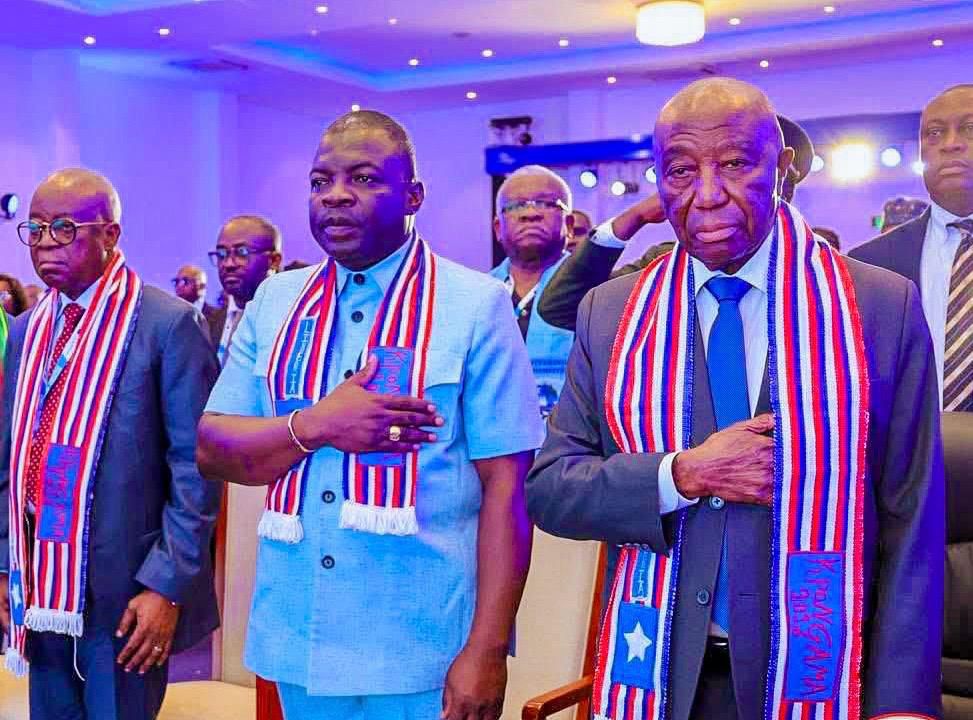
According to a release by Dr Bolaji Akinola, the Minister’s Special Adviser on Communications, the Minister made the call in Monrovia, Liberia, Monday, while speaking at the National Fisheries Investment Conference, March 30 to 31, 2026. The conference which was declared open by Liberia’s President, Joseph Nyuma Boakai, was attended by Ministers responsible for fisheries and aquaculture from across the West African subregion.
Describing the gathering as timely, Oyetola said it provided an important platform to unlock opportunities in fisheries and the wider blue economy. “This Conference comes at a critical time for our region,” he said, noting that the sector remains central to food security, employment and economic growth.
According to him, millions of people across West and Central Africa depend on fisheries and aquaculture for their livelihoods, while fish remains one of the most affordable sources of protein. However, he warned that the sector continues to face serious challenges.
“Despite our rich marine and inland water resources, the sector continues to face significant challenges,” he said, citing declining fish stocks, weak infrastructure, and limited access to finance and modern technology.
Dr. Oyetola emphasised that addressing these challenges requires a clear focus on sustainability, investment and regional collaboration. He stressed that without proper management of marine and inland resources, long-term gains would be impossible.
“Our oceans, rivers, and coastal ecosystems must be carefully managed… without sustainability, long-term benefits cannot be achieved,” he stated.
He said the the Federal Government under President Bola Ahmed Tinubu is repositioning fisheries and aquaculture as key drivers of the blue economy. He explained that policies aimed at boosting local production, reducing imports and strengthening regulation are already delivering results, including continued access to international markets for shrimp exports.
He also highlighted broader reforms in Nigeria’s blue economy, including actions to tackle marine pollution, improve port infrastructure and enhance maritime security. According to him, the country’s recent record of zero piracy incidents has helped improve investor confidence in the Gulf of Guinea.
On investment, the minister called for greater funding across the entire fisheries value chain including aquaculture, processing, cold-chain logistics and export development. He noted that with the right policies in place, the sector could generate jobs, particularly for young people, and contribute significantly to economic growth.
He also underscored the importance of regional co-operation, pointing out that fish stocks cut across national boundaries.
“No single country can tackle illegal, unreported, and unregulated fishing alone,” he said, adding that stronger collaboration through regional bodies such as the FCWC is essential.
In his role as Chairman of the FCWC Ministerial Committee, Oyetola reaffirmed the organisation’s commitment to strengthening joint efforts in fisheries governance. He highlighted ongoing initiatives, including a regional record of fishing vessels, coordinated patrols and information-sharing systems aimed at improving enforcement and sustainability.
The minister further noted that the FCWC is working to harmonise fisheries policies among member states and promote trade within the region, with the goal of improving value chains and attracting investment.
Maritime Agencies
PORTS MODERNIZATION, NATIONAL SINGLE WINDOW TO TACKLE PORTS CHALLENGES, Says NPA MD.
By Izuchukwu Ozoemena
The Nigerian Ports Authority (NPA) has, once again, reiterated plans to revolutionize the nation’s ports system with the implementation of the National Single Window Project and Ports Modernisation system.
The Managing Director of NPA, Dr. Abubakar Dantsoho, disclosed this during an interactive session with maritime journalists in Lagos.
Represented by Mr Ikechukwu Onyemekara, the General Manager, Corporate and Strategic Communications of the Agency, the MD said the modernisation project will cover all seaports ports nationwide. However, the project is set to kick off in Lagos ports with a significant investment of $700 million from the Federal Government.
He allayed concerns being expressed in some quarters that the eastern ports are excluded from the 746 million pounds ports modernization deal signed in the UK recently, assuring that the deal would involve ports nationwide on phases. He stated contrary to opinions being canvassed and fears being expressed on the fate of other ports, the case of Apapa and Tincan ports is understandable because ports business is international and the customer decides where his cargoes go. NPA is merely an umpire; the port users’ interests and preferences remain paramount.
The ports modernization process is expected to tackle pressing issues such as port congestion and delays in cargo clearance which have long plagued the sector.
According to Dantsoho, the NPA is also working to improve logistics, including rail transportation from APMT terminal and alternative cargo transport options.
The NPA is reviewing the Efficiency, Throughput, and Optimization (ETO) initiative put in place to address logistics chain challenges in the country’s port system. The review, Dantsoho assured, would yield a more effective implementation plan with provisions to ensure the ETO works seamlessly.
”When we were doing the dredging, the ports in the East were also carried along,” he said.
Government investments are focused on areas with returns on investment which is why Lagos is the starting point.
The NPA MD expressed optimism that the agency’s vision for the ports industry would leave a lasting legacy for future generations.
He urged the media to play a proactive role in monitoring societal developments, emphasizing the importance of a free and vibrant press in driving progress and accountability.
”The media has been advised to be creative and step up its role as watchdog of the society,” he concluded.
Maritime Agencies
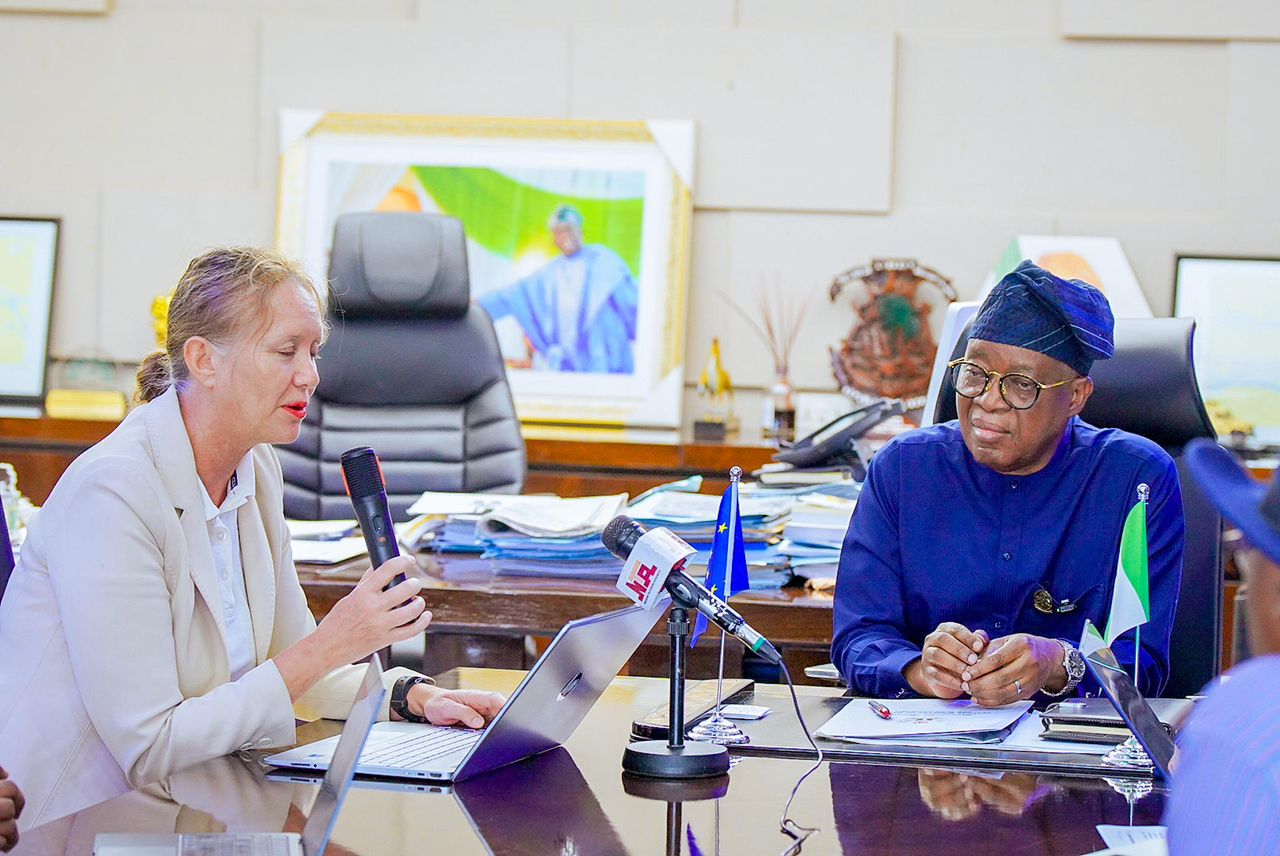
Oyetola Welcomes EU Delegation, Urges Stronger Role Against Illegal Fishing, Maritime Crimes in the GoG.
By Izuchukwu Ozoemena
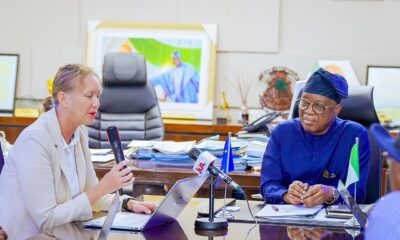
A call has gone out for deeper collaboration with the European Union (EU) to address emerging maritime threats, particularly illegal fishing, trafficking and environmental crimes in the Gulf of Guinea.
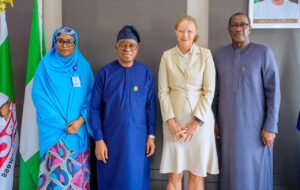
Minister of Marine and Blue Economy, Dr. Adegboyega Oyetola, made the call in Abuja,Thursday, while receiving a delegation from the EU Evaluation Mission on the Gulf of Guinea Inter-regional Network (GoGIN II) Project. Evolving security challenges in the region, Oyetola emphasized, require a broader, more integrated and sustained response anchored on strong international partnerships.
According to a press release by Dr Bolaji Akinola, the Minister’s Special Adviser on Communications, the delegation led by Ms Stéphanie Vergniault, is in Nigeria as part of an independent assessment of the EU-funded initiative, which supports maritime coordination and information sharing across the Gulf of Guinea.
Dr. Oyetola reiterated Nigeria’s firm commitment to the Yaoundé Architecture for Maritime Security, describing it as a vital platform for regional cooperation, collective response and intelligence exchange. He noted that EU-backed interventions such as GoGIN II have played an important role in strengthening this framework, particularly by enhancing maritime domain awareness and facilitating closer collaboration among national and regional agencies.
The Minister acknowledged the impact of the YARIS information-sharing system in improving coordination among maritime stakeholders, while stressing the need to sustain and optimise its operational use. He also highlighted the importance of improving interoperability between regional centres and national institutions, alongside continued capacity building and technical support.
Pointing to Nigeria’s own efforts, the Minister cited the success of the Deep Blue Project, which has contributed to a significant reduction in piracy and armed robbery at sea in the Gulf of Guinea in recent years. The progress recorded, he said, demonstrates the effectiveness of combining national ownership with regional and international support.
As the GoGIN II programme nears completion, the Minister urged stakeholders to focus on consolidating its achievements and ensuring long-term sustainability through stronger regional ownership mechanisms. He stressed that maintaining the gains recorded would be critical to securing the maritime domain and supporting economic activities across the Gulf of Guinea.
Earlier, Ms Vergniault explained that the evaluation seeks to assess the programme’s performance, operational results and sustainability, while identifying lessons that could shape future maritime security initiatives. She noted that the mission, which also includes Captain Alioune Diop, is engaging key stakeholders in Nigeria to gather operational feedback on the use of the YARIS platform, the programme’s contribution to coordination under the Yaoundé Architecture, and the prevailing challenges in the maritime sector.


Nigeria Canvasses Regional Co-operation, Investment Drive at Liberia Fisheries Summit.

PORTS MODERNIZATION, NATIONAL SINGLE WINDOW TO TACKLE PORTS CHALLENGES, Says NPA MD.

Oyetola Welcomes EU Delegation, Urges Stronger Role Against Illegal Fishing, Maritime Crimes in the GoG.

Maritime Journalists’ Group, MARAN, Set To Honour Her Past Leaders.

Tincan Customs Posts Over N120.4bn in February, 2026, A Huge Leap Above the February 2025 Records.

TRADE FACILITATION: FG Unveils National Single Window To Encourage Coordinated and Technology-Driven Trade System.

NIMASA Collaborates With KAIPTC To Empower West African Women For Digital Participation In Maritime Sector.

INTERNATIONAL WOMEN’S DAY, 2026: NIMASA Commits To Women Inclusion in Maritime Sector.

Apapa Customs Hits Smugglers Hard After CGC’s Visit, Intercepts ₦3.398 Billion Codeine Syrup In 5 Days.

MAN, Oron, Pushes Actualization of Her Mandate Beyond Nigeria, Seeks Strategic Partnership with Liberia Maritime Training Institute

HAPPY BIRTHDAY, DOUBLE CAPTAIN!

NPA’s 2025 Operational Performance Report Validates FG’s Economic Diversification Initiatives.

Dedication To Service Earns NIWA’s Engr Sarat Braimah the Nelson Mandela Pan African Leadership Award.

NATIONAL SECURITY: Tantita Security Donates Command Centre, Vehicles to Boost NSCDC Operations.

SEME CUSTOMS HITS N3.4Bn IN FEBRUARY FOLLOWING A SURGE IN EXPORT OF AGRO PRODUCTS.

”NATIONAL SINGLE WINDOW WILL CUT CARGO CLEARANCE TIME BY 75%,” NAGAFF President, Tochukwu Ezisi says.

2023 ELECTIONS:CILT Hosts Seminar on Logistics & Electoral Process

1. EXECUTIVE PLATFORM. AMES 2024: TIME TO CHANGE GOVERNMENT ATTITUDE TOWARDS SHIPPING DEVELOPMENT IS NOW, AMES President Charges FG.

APFFLON Seeks Immediate Reform of CRFFN, Replacement of Registrar.

OMIS AWARDS, 2022: Greg Ogbeifun, Industry Gurus For Special Recognition.

B’ODOGWU TRADE PORTAL: Customs Consolidates, Pilots Form ‘M’ Processing.

FG Set To Re-establish National Shipping Line, To Take Advantage of $10 bn Annual Ship Charter Market.

PHOTO NEWS: Maritime Capacity Development

Photo News: Salah Celebration

Sylvanus Ekpo, ex-Editor, Shipping World Magazine, loses Mum

WAR AGAINST OIL THEFT: Tompolo’s Company Nabs VLCC Laden With Crude Oil
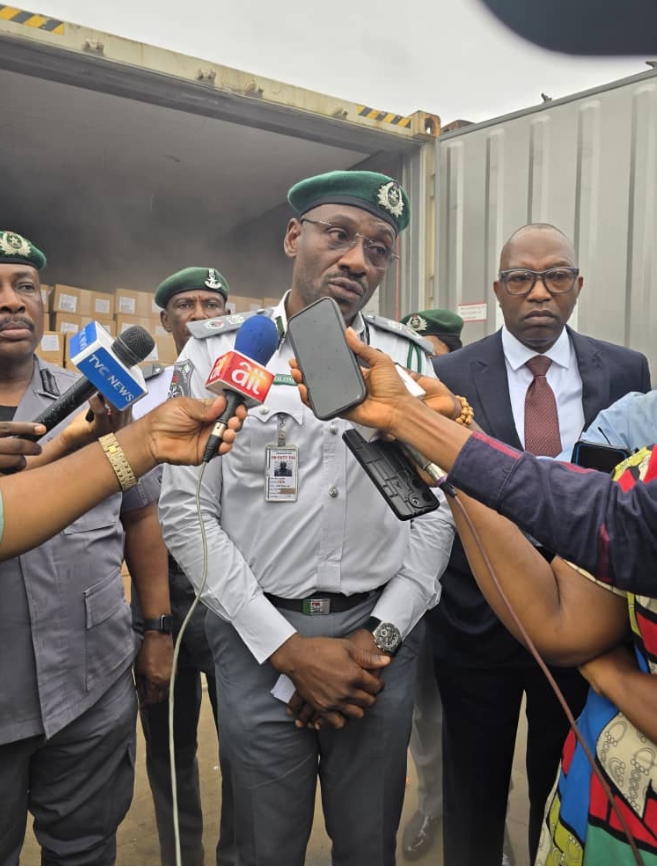
HALF YEAR, 2024: Apapa Customs Nets ₦1.024 Trillion, Records 143% Increase.
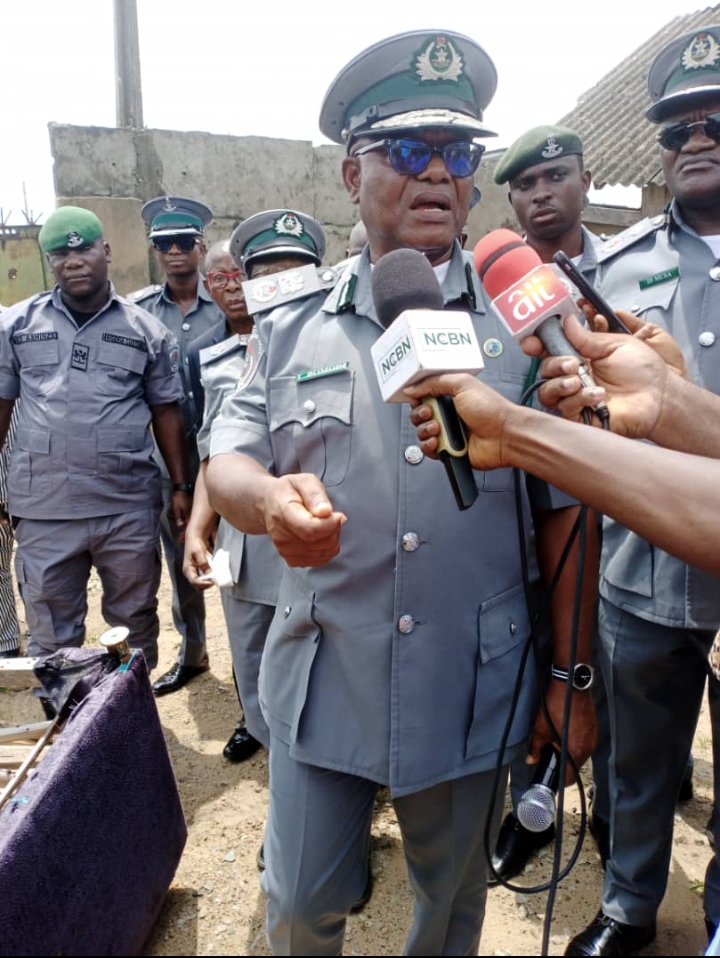
JANUARY-MAY REPORT: Seme Customs Hits N2.6bn, Facilitates ₦35.1bn Exports.

INLAND WATERWAYS OFFERS NIGERIA ALTERNATIVE REVENUE SOURCE, Says Sambo
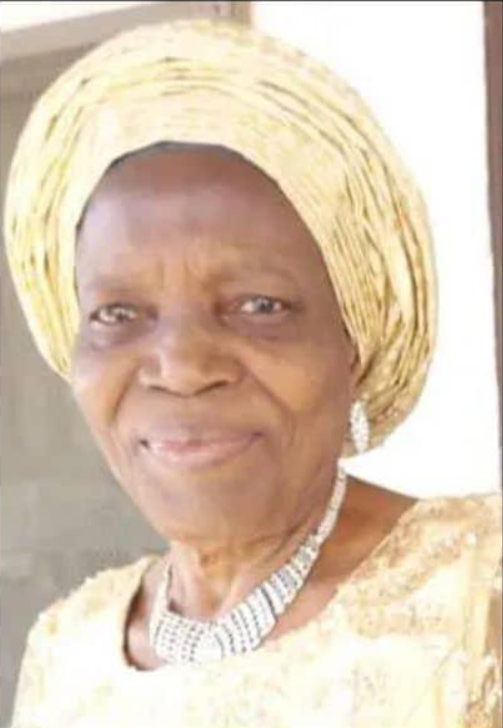
Mama Theresa Enisuoh Due For Burial April 27

MAN, ORON: It’s Encomiums Galore From International Seabed Authority (ISA).

SIFAX GROUP: Ojeniyi Becomes Sky Capital GMD, Omajuwa Strategy Director.

-
 Maritime Agencies2 weeks ago
Apapa Customs Hits Smugglers Hard After CGC’s Visit, Intercepts ₦3.398 Billion Codeine Syrup In 5 Days.
-
 Maritime Agencies3 weeks ago
MAN, Oron, Pushes Actualization of Her Mandate Beyond Nigeria, Seeks Strategic Partnership with Liberia Maritime Training Institute
-
 Maritime Agencies2 weeks ago
INTERNATIONAL WOMEN’S DAY, 2026: NIMASA Commits To Women Inclusion in Maritime Sector.
-
 Maritime Agencies2 weeks ago
NIMASA Collaborates With KAIPTC To Empower West African Women For Digital Participation In Maritime Sector.
-
 Maritime Agencies7 days ago
Tincan Customs Posts Over N120.4bn in February, 2026, A Huge Leap Above the February 2025 Records.
-
 Maritime Agencies7 days ago
TRADE FACILITATION: FG Unveils National Single Window To Encourage Coordinated and Technology-Driven Trade System.
-
 Maritime Agencies5 days ago
Oyetola Welcomes EU Delegation, Urges Stronger Role Against Illegal Fishing, Maritime Crimes in the GoG.
-
 Maritime Agencies5 days ago
Maritime Journalists’ Group, MARAN, Set To Honour Her Past Leaders.