
Maritime Agencies
TRADE FACILITATION: Nigeria Customs Pre-Launches ‘B’Odogwu’ In Lagos.

By Izuchukwu Ozoemena
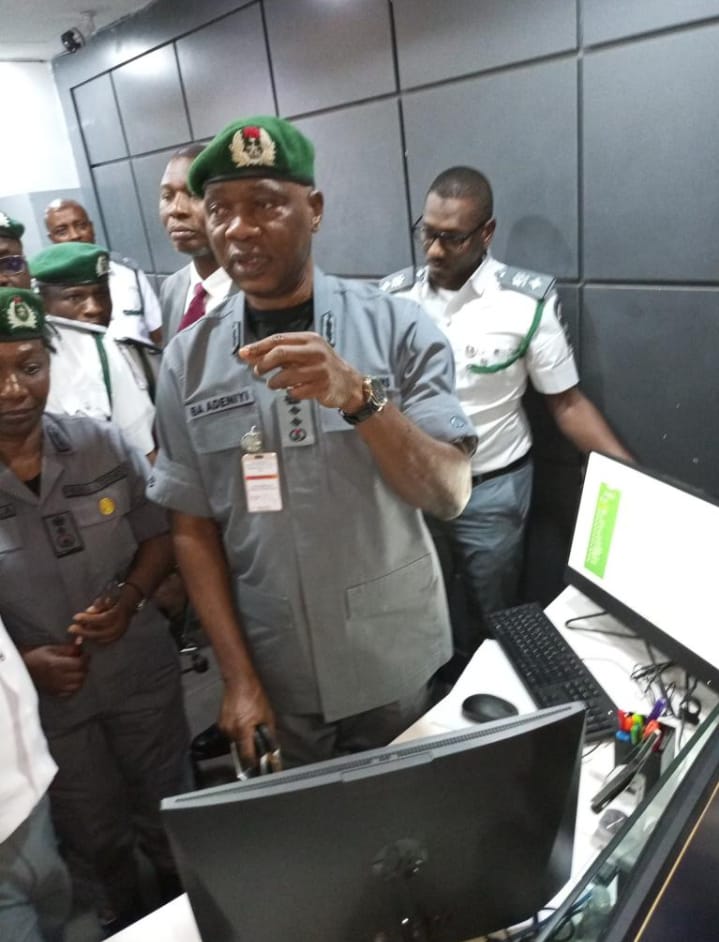
The Nigeria Customs Service (NCS) has unveiled her strategic deployment of ‘B’Odogwu,’ a special trade modernization tool whose implementation is aimed at deepening efficient and effective trade processes across the board in line with international best practices.
The event which was attended by many stakeholders took place in Lagos, Monday, for the Apapa and Tincan Island ports.
The flag-off of a successful pilot stage of the ‘B’Odogwu’, it is recalled, took place at the PTML Command earlier in 2024, signaling a new dimension and a major shift in how cargo clearance and trade operations are conducted across the nation’s busiest seaports.
Speaking during the pre-launch and stakeholders’ engagement in Lagos, Bashir Adewale Adeniyi, the Comptroller-General of the Nigeria Customs Service, said the event was only a phase in the deployment process designed to climax to a full-scale launch of a carefully planned process in trade facilitation and other operational areas which must respond to the realities of the moment.
“It is a pre-launch, not a full launch, because we are deploying it at a bigger Command,” the CGC explained.
Emphasizing the importance of timing, the CGC stated that the move was part of the broader modernization agenda which has a collaborative engagement with industry stakeholders as an integral part.
The decision to conceptualize and develop B’Odogwu as a homegrown trade facilitation initiative, he clarified, became necessary in order to address long-standing inefficiencies and frustrations experienced under the previous Nigeria Integrated Customs Information System (NICIS).
“The new company took into account the history of frustrations we have had with the NICIS. So, we decided to start over to develop a new system that would address all the delays and frustrations of the past. So, we came up with B’Odogwu, which is homegrown,” he said.
The Comptroller-General described B’Odogwu as a uniquely Nigerian initiative, with its name embodying the strength and leadership that the system aims to bring to customs operations.
”B’ stands for ‘Border,’ and ‘Odogwu’ signifies strength and leadership in African, particularly Nigerian, parlance,” Adeniyi explained.
He acknowledged that transiting to a new system of this magnitude would come with challenges but reassured stakeholders that the Customs is prepared to tackle any obstacles and challenges.
“A project of this magnitude would not be a walk in the park. We had some challenges during the pilot phase at PTML, we have addressed some and carried over some. We are not going to wait until all the challenges are solved, but with your cooperation, we will resolve all,” he told stakeholders present.
A major breakthrough in the deployment of B’Odogwu is its full integration with commercial banks for the processing of Form ‘M’—a critical requirement for import documentation and trade facilitation in Nigeria.
Adeniyi confirmed that the Central Bank of Nigeria (CBN) has directed all authorized dealer banks to integrate with the platform, ensuring seamless financial transactions for importers and exporters.
“At PTML, we have integrated CBN. The CBN boss, at a meeting with us recently, has instructed all authorized dealer banks to queue into B’Odogwu, and they would all be opening Form M for you,” he announced.
Additionally, he assured stakeholders that communication channels would remain open to provide regular updates on the system’s operation and address concerns as they arise.
In her comments, Kikelomo Adeola, Deputy Comptroller-General in charge of IT and Modernization, restated that the system was reliable and efficient. She assured stakeholders that lessons from the PTML pilot phase are being applied to strengthen B’Odogwu’s functionality.
“We have resolved teething issues following B’Odogwu’s test-run at PTML as the pilot command. We have equally carried out training of agents, terminal operators, among others, on why the effective usage of the platform is crucial,” Adeola said.

By Izuchukwu Ozoemena
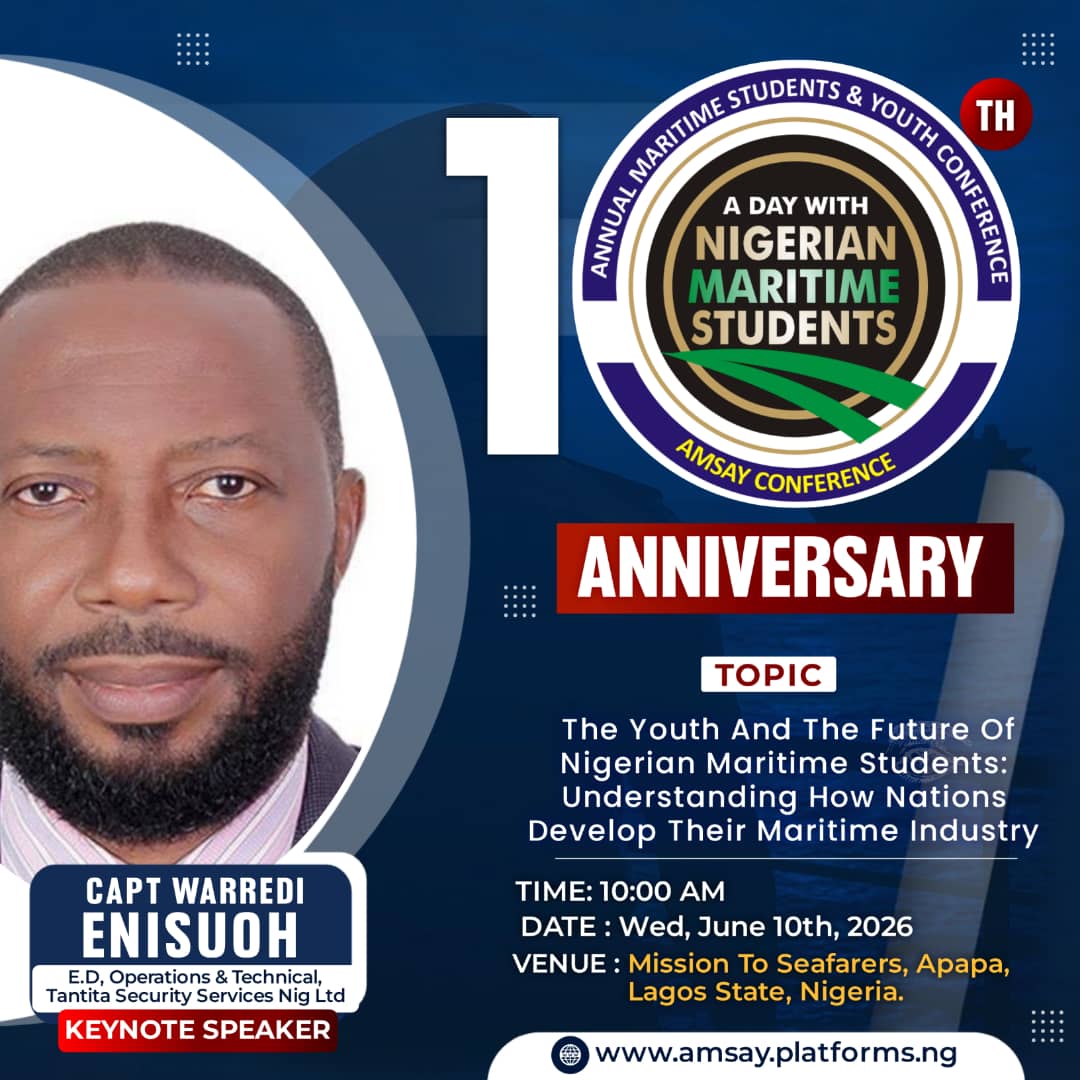
Captain Warredi Enisuoh, Executive Director, Operations and Technical at the Tantita Security Services Ltd, will deliver the keynote speech at the 10th Annual Maritime Students and Youth Conference (AMSAY) billed for June 10, 2026. Venue is the Conference Hall of the Mission To Seafarers, 29 Marine Road, Apapa GRA, Lagos.
As stated in a release, Enisuoh will speak on the lead paper entitled, “The Youth and the Future of Nigerian Maritime Sector: Understanding How Nations Develop Their Maritime Industry.”
Organised by Platforms Communications annually, the arrowhead, Sylvanus Obasi, says the AMSAY Conference has over the past decade evolved into a critical platform for youth advocacy, mentorship and stakeholders’-students engagement to discuss and proffer solutions to contemporary issues affecting the future of Nigeria’s maritime sector, having consistently driven conversations around industry reforms, capacity growth, innovation and sustainable development.
With over two decades of global experience spanning maritime operations, aviation, and national security, Captain Enisuoh is widely regarded as a leading authority in maritime safety, shipping development, and infrastructure protection in Nigeria’s oil and gas sector.
He holds a Master Mariner Class 1 Unlimited Foreign Going License, an Aircraft Pilot’s License, and a Diploma in Aviation. His academic journey includes training at the Maritime Academy of Nigeria, Oron; Arab Maritime Transport Academy, Egypt; Australian Maritime College, University of Tasmania; Tasmanian Aviation College; and the Swiss Air Training Centre in Zurich.
Over the years, he has held strategic roles across continents, including eight years with Pacific International Lines in Singapore and six years with the Australian Maritime Safety Authority (AMSA). He also served as a lecturer, instructor, course developer, and examiner at the Australian Maritime College.
In Nigeria, he contributed significantly to sectoral development during his tenure at the Nigerian Maritime Administration and Safety Agency (NIMASA), where he served as Director of Maritime Safety and Director of Shipping Development.
Capt Warredi”s Keynote Speech will also feature a high-level panel discussion moderated by Captain Dr. Fola Ojutalayo, Marine Surveyor and Senior Lecturer at the Federal College of Fisheries and Marine Technology.
Panelists are drawn from diverse segments of the maritime industry, including regulators, shipowners, local content experts, technical professionals, legal practitioners, operators, and the academia as representatives from NIMASA, Shipowners Association of Nigeria (SOAN), Nigerian Shipowners Association (NISA), Nigerian Content Development and Monitoring Board (NCDMB), NLNG Shipping and Marine Services Limited, and the Maritime Academy of Nigeria, Oron, are expected to discuss the lead paper .
By Izuchukwu Ozoemena
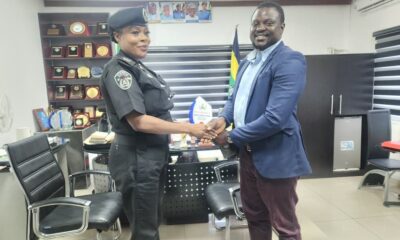
The Ports Authority Police (Western) Command has called for deeper collaboration with maritime journalists as part of efforts to strengthen security within Nigeria’s port environment and support the growth of the nation’s maritime economy.
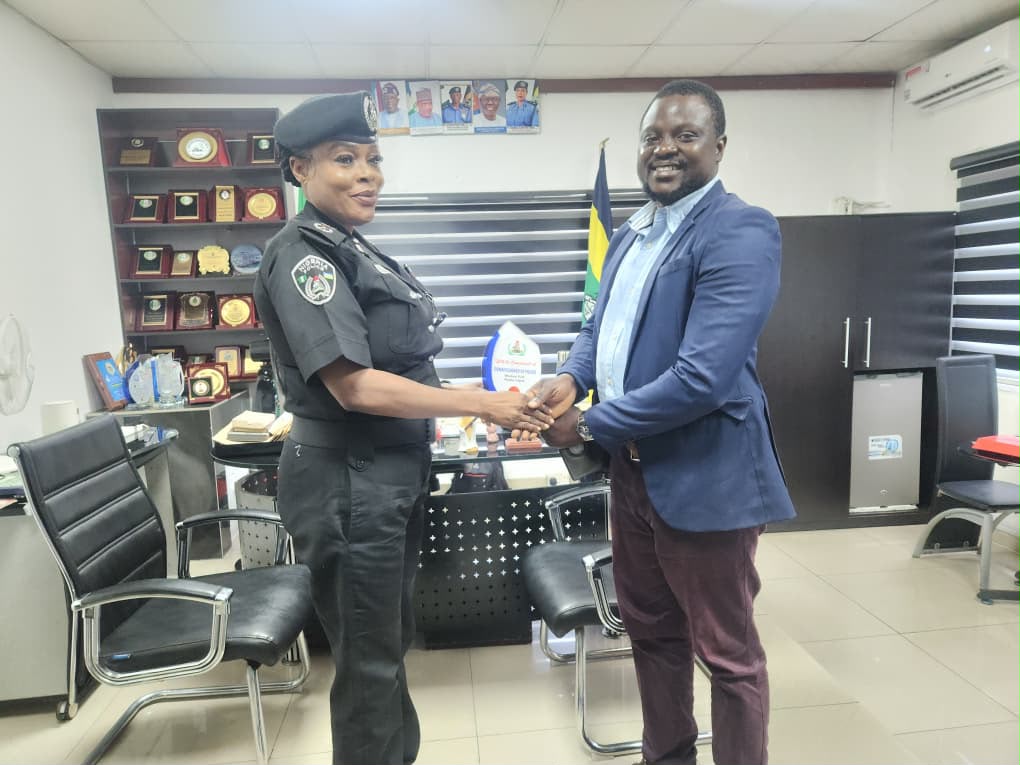
Commissioner of Police, Ports Authority Police (Western) Command, CP Oluwatoyin Iyabode Agbaminoja, made the call on Tuesday while receiving the newly elected executives of the Maritime Reporters Association of Nigeria (MARAN) during a courtesy visit to the Command Headquarters in Apapa, Lagos.
The visit, led by MARAN President, Mr. Oluyinka Onigbinde, provided an opportunity for both parties to reaffirm their commitment to promoting safety, security, and operational efficiency across Nigeria’s maritime domain.
Speaking during the engagement, Onigbinde commended the Command for its efforts in safeguarding the nation’s ports and other critical maritime assets, noting that security remains a key pillar for sustainable trade and economic development.
He pledged MARAN’s continued support through responsible journalism, accurate reporting, and constructive engagement with stakeholders in the maritime sector.
According to him, the media has a crucial role to play in creating public awareness, promoting transparency, and highlighting issues that impact the efficiency and competitiveness of Nigerian ports.
In her remarks, CP Agbaminoja congratulated the newly elected MARAN leadership and acknowledged the association’s longstanding contribution to the dissemination of credible information on developments within the maritime industry.
She emphasized that stronger cooperation between law enforcement agencies and the media would enhance public trust, improve security consciousness, and contribute to national economic growth.
The Commissioner noted that effective communication and timely information sharing are essential in addressing security challenges within the port ecosystem, stressing that the media remains a strategic partner in achieving those objectives.
She further assured the association of the Command’s readiness to maintain open channels of communication and foster productive partnerships aimed at advancing port security, maritime safety, and trade facilitation.
Nigeria’s ports serve as critical gateways for international trade and revenue generation, making security within the maritime sector a matter of national economic importance. Stakeholders have consistently advocated greater collaboration among security agencies, regulators, operators, and the media to strengthen surveillance, curb criminal activities, and improve operational efficiency.
The meeting concluded with both the Ports Authority Police Command and MARAN reaffirming their commitment to sustained engagement and cooperation in support of a safer and more efficient maritime industry.
By Izuchukwu Ozoemena
Nigeria’s pioneer maritime journalists’ body, the Maritime Reporters Association of Nigeria (MARAN) will inaugurate her brand new Executive Council on Tuesday, June 23, 2026, at the Rockview Hotel, Apapa, Lagos.
The high-profile event which is planned to bring together key stakeholders from the maritime, shipping, logistics, security, and media sectors will also feature discussions on strengthening ethical standards in maritime journalism.
The theme of the inauguration is “Upholding Ethical Journalism for Maritime Development.”
The Chairman of the occasion is Emmanuel Maiguwa Gankino, President, Maritime Security Providers Association of Nigeria (MASPAN), while the keynote address will be delivered by Mr. Bolaji Abimbola, a leading public relations and event management expert.
Special Guests of Honour expected at the event include the Director-General of the Nigerian Maritime Administration and Safety Agency (NIMASA), Dr. Dayo Mobereola; the Managing Director of the Nigerian Ports Authority (NPA), Dr. Abubakar Dantsoho; the Executive Secretary/Chief Executive Officer of the Nigerian Shippers’ Council (NSC), Barr. Pius Akutah Ukeyima; and the Comptroller-General of the Nigeria Customs Service (NCS), Bashir Adewale Adeniyi, MFR. Also expected are chief executives of maritime agencies, captains of industry, leaders of maritime associations, terminal operators, shipping companies, freight forwarders, and other critical stakeholders across the maritime value chain.
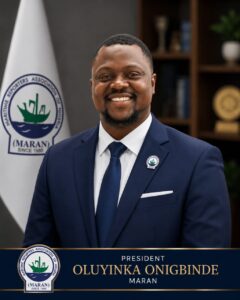
Speaking ahead of the inauguration, MARAN President, Comrade. Oluyinka Onigbinde, described the event as a defining moment in the association’s journey towards deepening professionalism, credibility, and responsible maritime reportage.
The new executive council, he stated, will focus on repositioning MARAN as a stronger voice within the maritime sector through capacity building, constructive engagement, and adherence to ethical journalism standards.
He noted that the theme of the event underscores the indispensable role of the media in promoting transparency, accountability, and sustainable development within Nigeria’s maritime industry.
“The maritime industry is central to Nigeria’s economic growth, and ethical journalism remains a vital instrument for ensuring that developments within the sector are accurately reported and constructively engaged,” he added.
Onigbinde further called on government agencies, industry operators, and media practitioners to continue supporting initiatives aimed at strengthening maritime journalism and advancing the nation’s blue economy aspirations.


Capt Warredi Enisuoh Set To Deliver Keynote Speech At 10th AMSAY Conference.

Ports Police Seek Stronger Media Collaboration to Boost Maritime Security.

New MARAN Leadership Set for Inauguration, June 23.

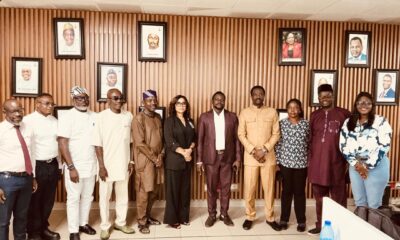
NIMASA Urges Ethical Journalism, Stronger Media Partnership to Drive Blue Economy Growth. …As MARAN condoles agency over staff’s Death.

CHANGE OF BATON at PTML Customs, Miko Replaces Joe Anani.

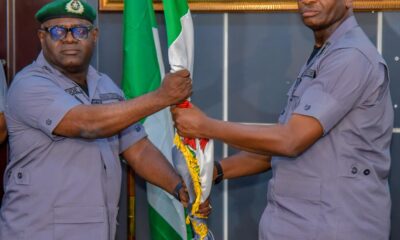
Comptroller Anani Succeeds ACG Onyeka as Tincan Customs CAC, Pledges to Build on Lofty Achievements.

REPORTER’S DIARY: How Lagos State Task Force Made Me ‘Igbobi Landlord’ For Filming Operatives Extorting Suspected ‘Okada’ Operators In Apapa*

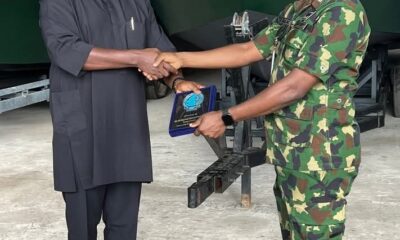
Tantita Donates 15 Gun Boats to Nigerian Army, Navy.

ANLCA Harps on Responsible Reportage, Pledges Support for New MARAN Exco,

Tincan Customs, NDLEA Promise Hard Times for Drug Peddlers, Seize N16,694bn worth of Cannabis Indica .

MARAN Seeks Strategic Partnership With NPA on Port Modernisation, Capacity Building

OGUN AREA 1 CUSTOMS Dares Smugglers, Confiscates Contrabands Worth N6.7Bn in 5 Weeks.

NPA Mourns her Ace Cameraman, Paul Erakhifu, alias “Texas”.

MARAN Elects Yinka Onigbinde As New President.

Anti-Smuggling Operations: FOU ‘A’ Customs Seizes N2.35bn Drugs, Pledges Hard Times for Smugglers.

Kaila, Seme Customs Boss, Pledges To Eradicate Trade Barriers, Visits Stakeholders To Create Awareness.

1. EXECUTIVE PLATFORM. AMES 2024: TIME TO CHANGE GOVERNMENT ATTITUDE TOWARDS SHIPPING DEVELOPMENT IS NOW, AMES President Charges FG.

2023 ELECTIONS:CILT Hosts Seminar on Logistics & Electoral Process

APFFLON Seeks Immediate Reform of CRFFN, Replacement of Registrar.

OMIS AWARDS, 2022: Greg Ogbeifun, Industry Gurus For Special Recognition.

B’ODOGWU TRADE PORTAL: Customs Consolidates, Pilots Form ‘M’ Processing.
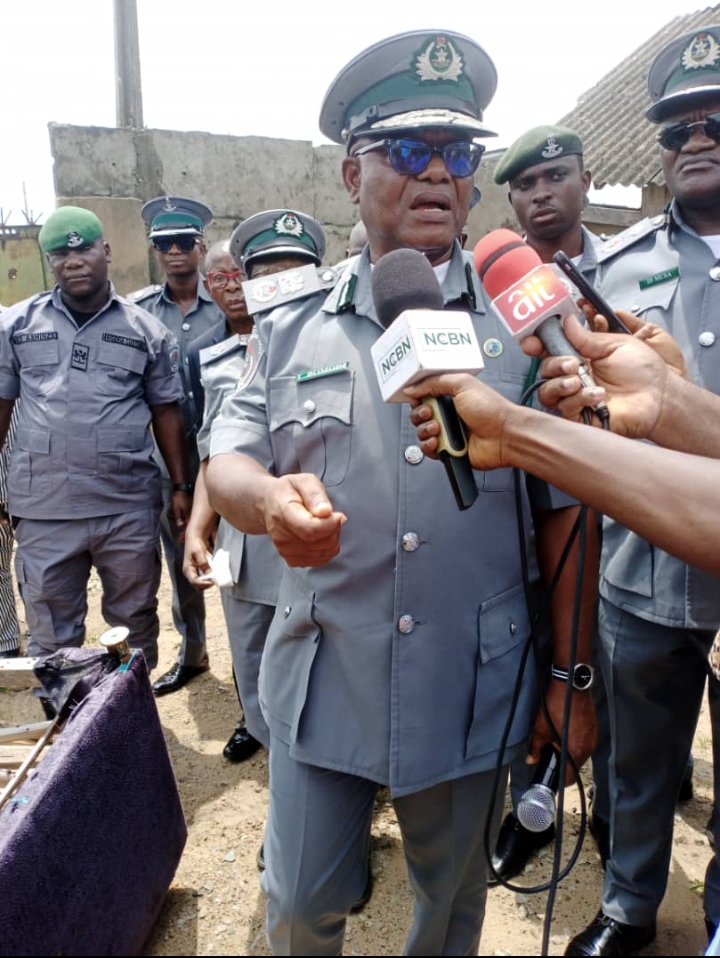
JANUARY-MAY REPORT: Seme Customs Hits N2.6bn, Facilitates ₦35.1bn Exports.
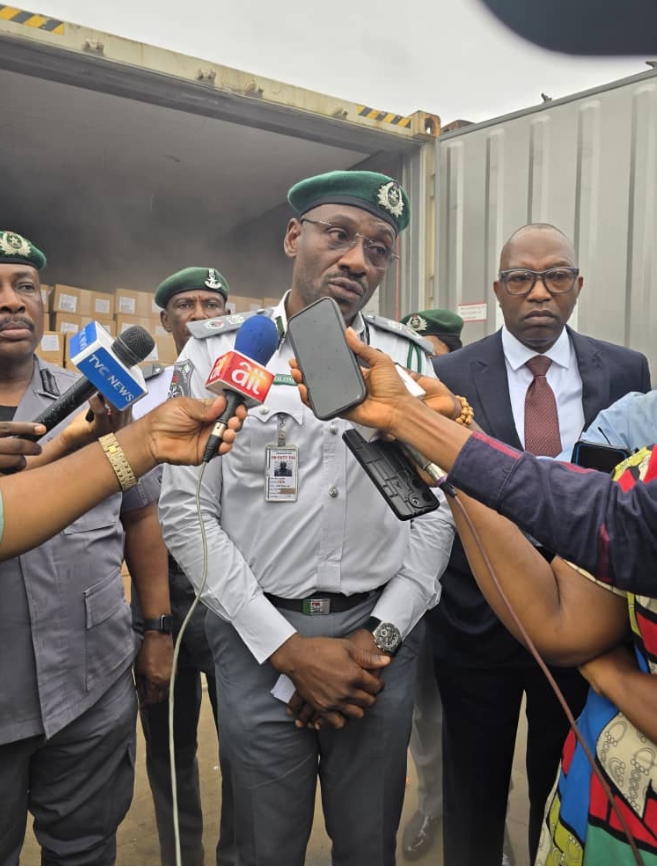
HALF YEAR, 2024: Apapa Customs Nets ₦1.024 Trillion, Records 143% Increase.

PHOTO NEWS: Maritime Capacity Development

FG Set To Re-establish National Shipping Line, To Take Advantage of $10 bn Annual Ship Charter Market.

Photo News: Salah Celebration

Sylvanus Ekpo, ex-Editor, Shipping World Magazine, loses Mum
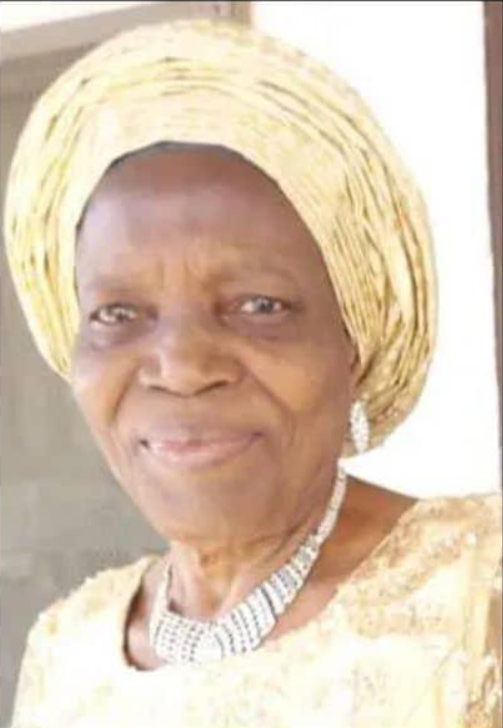
Mama Theresa Enisuoh Due For Burial April 27

B’Odogwu: Apapa Customs Collects ₦161b in 3 Weeks, Assures of Improvements .

WAR AGAINST OIL THEFT: Tompolo’s Company Nabs VLCC Laden With Crude Oil

MAN, ORON: It’s Encomiums Galore From International Seabed Authority (ISA).

SIFAX GROUP: Ojeniyi Becomes Sky Capital GMD, Omajuwa Strategy Director.

-
 Maritime Agencies3 weeks ago
Tantita Donates 15 Gun Boats to Nigerian Army, Navy.
-
 Maritime Agencies3 weeks ago
REPORTER’S DIARY: How Lagos State Task Force Made Me ‘Igbobi Landlord’ For Filming Operatives Extorting Suspected ‘Okada’ Operators In Apapa*
-
 Maritime Agencies1 week ago
CHANGE OF BATON at PTML Customs, Miko Replaces Joe Anani.
-
 Maritime Agencies2 weeks ago
Comptroller Anani Succeeds ACG Onyeka as Tincan Customs CAC, Pledges to Build on Lofty Achievements.
-
 Maritime Agencies1 week ago
NIMASA Urges Ethical Journalism, Stronger Media Partnership to Drive Blue Economy Growth. …As MARAN condoles agency over staff’s Death.
-
 Maritime Agencies1 week ago
Ports Police Seek Stronger Media Collaboration to Boost Maritime Security.
-
 Maritime Agencies1 week ago
New MARAN Leadership Set for Inauguration, June 23.
-
 Maritime Agencies5 days ago
Capt Warredi Enisuoh Set To Deliver Keynote Speech At 10th AMSAY Conference.