
Maritime Agencies
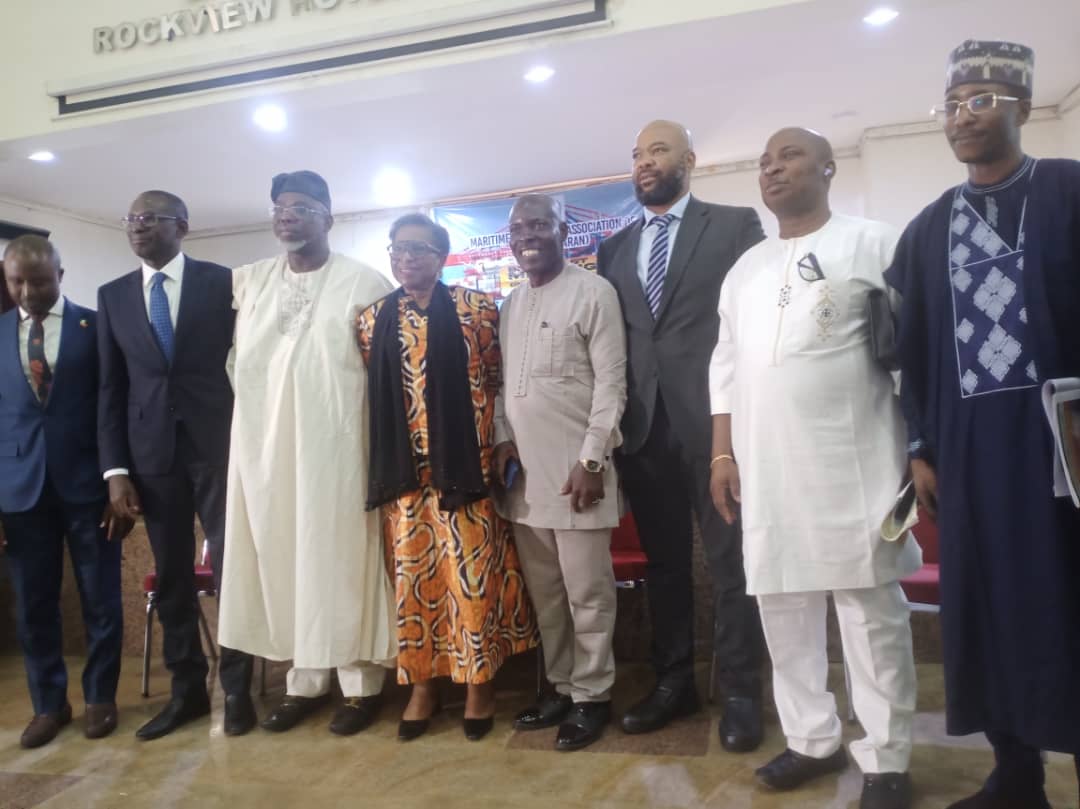
MARAN Breakfast Meeting: Nigeria – China Currency Swap Deal Will Favour Trade, says CBN.

By Izuchukwu Ozoemena
The Central Bank of Nigeria (CBN) says a Nigeria-China currency swap deal has the potential to impact on Nigeria’s maritime industry by reducing shipping costs, enhancing trade efficiency, and easing foreign exchange pressure.
CBN Governor, Mr. Olayemi Cardoso, stated this in Lagos, Tuesday, while speaking at a stakeholders’ breakfast meeting organized by the Maritime Reporters’ Association of Nigeria (MARAN).
He explained that the agreement originally signed in 2018 and renewed in December 2024 enables Nigerian and Chinese businesses to conduct trade directly in Naira and Yuan (the Chinese currency), thus, bypassing the U.S. dollar.
Cardoso who was represented by Anthony Ogufere, the Special Adviser on Finance and Strategy, stated: “The swap agreement simplifies the settlement of trade transactions in local currencies and reduces the pressure on Nigeria’s dollar reserves. This, in turn, lowers the cost of doing business and enhances the competitiveness of Nigerian trade.”
The CBN Governor informed that by the end of 2024, China had become Nigeria’s largest trading partner, accounting for about 35% of total imports and reaching a trade volume of $11.58 billion. He added that the maritime sector, which handles the majority of Nigeria’s import and export activities, stands to benefit immensely through faster port clearance, improved trade finance instruments, and direct shipping links such as the Lekki Deep Sea Port—a Chinese-backed infrastructure project under the Belt and Road Initiative.
The CBN Governor, however, acknowledged that several challenges still hinder the full potential of the currency swap framework. Chief among them is Nigeria’s significant trade imbalance with China and the limited adoption of yuan-denominated transactions by Nigerian businesses. He called for greater sensitization, policy coordination, and efforts to expand non-oil exports to China.
Also speaking at the event, Mr. Martins Olajide, a representative of the Nigeria-China Strategic Partnership, offered a more cautious outlook. He noted that while the swap deal provides short-term relief and smoother trade operations, it is not a sustainable solution to the naira’s persistent depreciation.
Describing the swap arrangement as “swapization,” Olajide warned that Nigeria’s economic vulnerability and dependence on imports—especially from China—undermines the true impact of the agreement. He emphasized the need for structural reforms, particularly in industrialization, value addition, and local production.
“Without these changes, the swap deal may only reinforce economic dependence on China without solving the underlying issues,” he warned.
In his opening remarks, the Chairman of the event and Chairman of the Customs Consultative Council (CCC), Aare Akeem Olarenwaju, decried the volatility of the naira-dollar exchange rate as a major cause of the skyrocketing cost of goods in Nigeria. He called for greater public awareness of alternative currency options like the Chinese yuan.
“You can’t determine the price of goods within a few hours due to constant exchange rate changes. Today it’s ₦1,600 to a dollar, and in the next few hours, it could be ₦1,700 or ₦1,500. It’s the common people who suffer the most,” Olarenwaju lamented.
He commended the organizers for opening up conversations around trade, currency, and maritime development, urging media professionals to help educate the public on alternatives that could reduce the nation’s dependence on the U.S. dollar.
Earlier in his welcome address, MARAN President, Mr. Godfrey Bivbere, reaffirmed the association’s commitment to promoting dialogue on key economic issues. While acknowledging the swap deal’s promise in reducing transaction costs and enhancing trade efficiency, Bivbere stressed the need for a balanced discourse.
“We are not only here to applaud progress but also to interrogate policy. We must understand both the positive impact and the underlying risks associated with China’s expanding economic footprint in Nigeria,” he said.
Bivbere urged stakeholders across the maritime, trade, and financial sectors to approach the Nigeria-China currency swap with critical insight, noting that sustainable benefits would only come through policies that protect national economic interests while encouraging growth and competitiveness.

Maritime Agencies
Ehingbeti Summit: Stakeholders Say Coastal Communities Need Funding for Development.
By Izuchukwu Ozoemena
Maritime stakeholders say to promote sustainable coastal development, attention should be focused on the legal, regulatory, security and investment frameworks required to unlock Nigeria’s blue economy potentials .
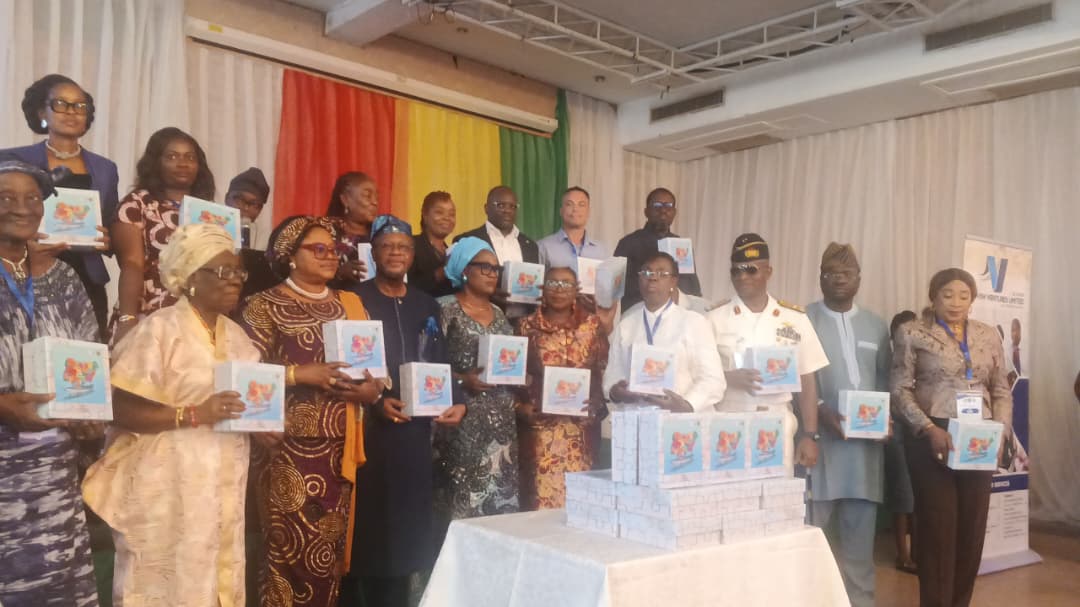
Delivering the keynote address at the 4th Ehingbeti Maritime Hub Summit in Lagos, Thursday, President, Maritime Arbitrators Association of Nigeria (MAAN), Chief Jean Chiazor Anishere, SAN, said a dedicated financing mechanism was necessary to address infrastructure deficits and improve the living conditions of people in coastal communities.
Anishere urged Nigeria to explore international financing opportunities through climate funds, development banks and multilateral organisations to scale up coastal resilience and community development.
She said sustained investment in coastal resilience would help strengthen infrastructure, protect livelihoods and create an enabling environment for coastal communities to participate meaningfully in the emerging blue economy.
Nigeria’s blue economy, she stressed, must be underpinned by effective governance as the country needs to establish the legal and institutional conditions required for innovation, investment and sustainable exploitation of marine resources.
There must be a regulatory system that provides security for investors while remaining flexible enough to encourage innovation, environmentally responsible enough to protect marine resources and inclusive enough to benefit coastal populations.
Anishere also advocated improved waste-management infrastructure, sustainable fishing practices, recycling education and environmental stewardship initiatives that directly benefit coastal communities.
Representing the Lagos State Governor, Mr. Babajide Sanwo-Olu, the Permanent Secretary, Lagos State Ministry of Tourism, Arts and Culture, Mrs. Bopo Oyekan-Ismaila said the state remained committed to an inclusive approach to blue economy development.
She noted that while Ehingbeti’s history was closely associated with Lagos Island, the state’s blue economy development agenda would encompass communities across Lagos.
According to her, Governor Sanwo-Olu encouraged participants to collaborate and develop a communiqué capable of advancing the blue economy agenda of Lagos State.
In her speech, the convener of the Ehingbeti Maritime Hub and Founder of the Ocean Ambassadors Foundation, Hon. Olaitan Violet Williams said the Hub was established in 2023 to trace and reconnect with the historical roots of maritime activities in Lagos.
According to Williams, Ehingbeti represented an important chapter in Lagos’ evolution from its early trading history to modern-day Eko.
She identified inland waterways as one of the low-hanging fruits of Nigeria’s blue economy and called for greater investment and stronger legal protection for investors.
She said Nigeria’s estimated 10,000 kilometres of waterways cannot deliver their full economic potential if they remained largely unnavigable.
The Chairman of the occasion and Chairman of the NIWA Governing Board, Alhaji Mukhtar Shehu Shagari, represented by NIWA Board Member, Capt. Tajudeen Alao, commended the Convener for her commitment to the development of Nigeria’s marine and blue economy.
Shagari stressed that coastal communities must remain central to the implementation of blue economy policies, while advocating an appropriate legal framework for the development of Nigeria’s littoral states.
Representing the Flag Officer Commanding, Western Naval Command, Rear Admiral Abubakar Mustapha, Rear Admiral N.C. Okon called for stronger maritime regulation and effective enforcement of existing laws.
Okon identified “sea blindness” as a factor limiting Nigeria’s ability to fully harness its maritime potential and stressed that collaboration among government agencies, coastal communities and development partners was essential.
He noted that a thriving blue economy could not be sustained amid insecurity, environmental degradation, illicit activities and regulatory uncertainty.
The Naval representative reaffirmed the Nigerian Navy’s commitment to providing the secure maritime environment required for commerce, investment and sustainable exploitation of Nigeria’s maritime resources.
Also speaking, Ekeoma Ezeibe, Chairman, Nigerian Council of Registered Insurance Brokers (NCRIB), identified insurance as a critical component of maritime and blue economy development.
She said adequate insurance protection was necessary to safeguard maritime assets, infrastructure and businesses against the multiple risks associated with the sector.
A major highlight of the summit was the official launch of the 28 Inland Waterways Investment Jigsaw, an initiative designed to highlight viable investment opportunities across Nigeria’s inland waterways and provide a structured pathway for private-sector participation.
The initiative is expected to support efforts to identify investment opportunities across the country’s inland waterways while encouraging greater private-sector involvement in water transportation and other marine-related businesses.
The 4th Ehingbeti Maritime Hub Summit brought together government representatives, maritime professionals, security stakeholders, legal practitioners, insurers, traditional rulers, academics, private-sector operators and representatives of coastal communities.
The summit reaffirmed the need for stronger regulation, maritime security, sustainable financing, infrastructure development and community inclusion as Nigeria works to translate its blue economy potential into sustainable economic and social development.
Maritime Agencies
Ogun 1 Customs Repeats Stern Warning To Smugglers, Confiscates Latest Brand of Range Rover, Other Contrabands.

By Izuchukwu Ozoemena
The Acting Controller, Ogun Area 1 Command of the Nigeria Customs Service, Deputy Comptroller Oladapo Afeni, has, for the umpteenth time, warned smugglers and people involved in sabotaging the economy to keep off the jurisdiction of the Command as dragnets in place will always catch them.
The Customs boss made the affirmation at Idiroko, Thursday, while unveiling a 2026 Range Rover Sport Autobiography P530 valued at N417, 011, 982 seized by the Command between August and September, 2026. Other seizures include 1,204 bags of foreign parboiled rice, 8675 litres of PMS, 3,893 parcels of cannabis indica weighing 1,878 tonnes and 428 pneumatic tyres. Others include 24 bales of second -hand clothing, four sacks of used shoes and 500 litres of diesel all with a combined Duty Paid (DPV) was N2.469 billion.
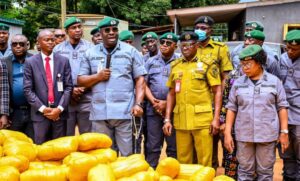
The seizures, Afeni explained, reflects the level of commitment of the Command to enforcing customs laws and protecting the country’s economic interests.
He said the Command’s anti-smuggling operations, intelligence-led enforcement and enhanced collaboration with sister security agencies had yielded tangible results in tackling illicit trade and strengthening border security across Ogun State.
Through her sustained anti-smuggling operations along the border corridors, he added, the Command had also intercepted substantial quantities of other prohibited goods .
The Acting Controller said the Command continues to maintain a firm balance between revenue generation and legitimate trade facilitation despite the current constraints she is grappling with.
It has never relented in diligent duty collection, baggage assessment and physical examinations at designated border points.
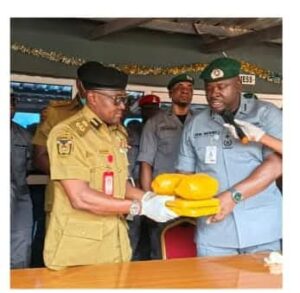
The Command also optimizes its import and export verification processes to facilitate compliant trade while maintaining regulatory oversight on sensitive goods, including mica stone, CNG, white talc and crushed thermal coal.
To tackle cross-border crime, Afeni explained, the Command has strong operational collaboration with sister security agencies such as the Nigerian Army, Nigeria Police Force, Nigeria Immigration Service, NDLEA and environmental management agencies.
Flowing from this, the Command handed over 3,893 parcels of cannabis sativa seized during the period to the National Drug Law Enforcement Agency (NDLEA), Idiroko Special Command, for further investigation.
To build mutual trust and reduce hostility during enforcement operations, the Command has also been engaging traditional rulers, youth leaders and border community associations.
Afeni said the Command’s responsibilities extended beyond customs enforcement to supporting community development and environmental stewardship.
He mentioned that the Command participated in inter-command athletic competitions in August and September, emerging as champions in volleyball.
Acting Controller Afeni hailed the unwavering dedication of his officers and men, as well as the massive support of the Comptroller-General of Customs, Bashir Adewale Adeniyi and the NCS management team.
By Izuchukwu Ozoemena
The Nigerian Navy has warned that the unregulated deployment of unmanned vessels for maritime surveillance could pose serious security risks to the nation’s maritime domain. It has, therefore, called
for the development of an appropriate legal framework to regulate their use.
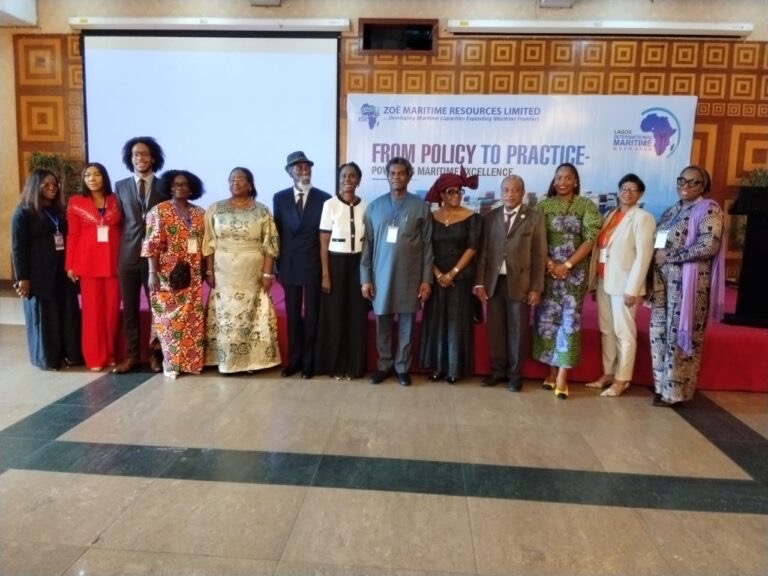
Rear Admiral Daniel Atapa of the Nigerian Navy Hydrographic Department made the call in Lagos while speaking on behalf of the Chief of the Naval Staff at the Lagos International Maritime Week (LIMWEEEK) 2026 hosted by Zoe Maritime Resources Ltd.
Rear Admiral Atapa said there was the need to harmonise the various maritime architectures under a single command to effectively curb the practice.
Even though each agency is at liberty to operate its own equipment and systems, Atapa noted, the issue of inter-agency rivalry and the harm it has brought to bear on the system often makes it difficult to harmonise the various maritime domain awareness assets for effective coordination and information-sharing.
“There are Maritime Domain Awareness assets with NIMASA, Navy, NPA and the rest. To the extent that there is no regulation or codified framework mandating their use or defining their modus operandi, each agency is at liberty to operate with what it has.
“Also, because of inter-agency rivalry which is silent and which we sometimes do not want to admit exists, it becomes difficult to harmonise these Maritime Domain Awareness assets. So, we continue to operate the way we do until there is a regulation that brings everybody together and says, ‘Come together and operate this way.’
“We still make do with what we have. But once there is a regulation, it will provide the framework for harmonising these assets and ensure better coordination among the agencies.
“On the presence of foreign vessels and navies in the Gulf of Benin, we need to understand that the Gulf is an open sea line of communication. Most of these foreign navies are from countries with significant shipping activities in the region.
“You cannot impose on any country that because our maritime domain is now safe; they should drive away their vessels. To the extent that they were there before the crisis, during the crisis and before the de-escalation, they still have the liberty to operate.
“We cannot tell them to leave the Gulf of Benin because that space is free and freedom of navigation is obtainable for everyone.
“On the unregulated use of unmanned vessels, as I recommended as part of my prescriptions for addressing the issue, there is currently no regulation, and so everybody operates and does what they deem appropriate.
“The implication is that, as long as there is no problem, everybody is fine. But once there is a problem, that will become the test case and demonstrate the need for regulation.”


Ehingbeti Summit: Stakeholders Say Coastal Communities Need Funding for Development.

Ogun 1 Customs Repeats Stern Warning To Smugglers, Confiscates Latest Brand of Range Rover, Other Contrabands.

Unregulated Deployment of Unmanned Vessels Threatens Maritime Security — Navy.

Nigeria Collaborates with Benin Republic to Launch Modernised Joint Customs Border Post.

NPA Emphasizes the Importance of Truck Drivers, Donates 400 Safety Vests to AMATO and NURTW.

MAMAL 2026: FG Targets Globally Competitive Ports As Tantita Urges a ‘Look Beyond Lagos’ in Port Development.

MAMAL 2026: Stakeholders Recommend End -To-End Modernization of Nigeria’s Port System To Achieve Competitiveness.

MAN, Oron Commends MAMAL 2026, Urges Efficient, Competitive and Globally- Respected Maritime Sector.

LIMWEEK 2026: Measurable Outcomes Must Guide Policies in Nigeria’s Marine and Blue Economy.

CUSTOMS’ ZONE ‘A’ SPORTS EVENT: CGC Adeniyi Highlights Need for Discipline, Teamwork in Customs Operations.

Parts Central Ltd Set To Turn Waterway Waste into Wealth, says Onifade.

Oyetola Transfers Inland Dry Ports to NPA, Sets Up Committee for NSC–NPERA Transition.

Zoe Maritime Resources Hosts Lagos International Maritime Week (LIMWEEK), 2026.

FRESH ARMS IMPORTATION : Customs Hits Criminal Networks Hard, Intercepts 204 Firearms Routed from Turkey.

NAGAFF Suspends Planned Strike As NPA, Maritime Police, DSS Resolve To End Container Blockage.

CVFF: Cargo Availability, Trade Contracts Should Determine Ship Acquisition.

ABUJA MoU: WE FUNCTION BEHIND A MASK, says Capt Umoren

1. EXECUTIVE PLATFORM. AMES 2024: TIME TO CHANGE GOVERNMENT ATTITUDE TOWARDS SHIPPING DEVELOPMENT IS NOW, AMES President Charges FG.

2023 ELECTIONS:CILT Hosts Seminar on Logistics & Electoral Process

B’ODOGWU TRADE PORTAL: Customs Consolidates, Pilots Form ‘M’ Processing.
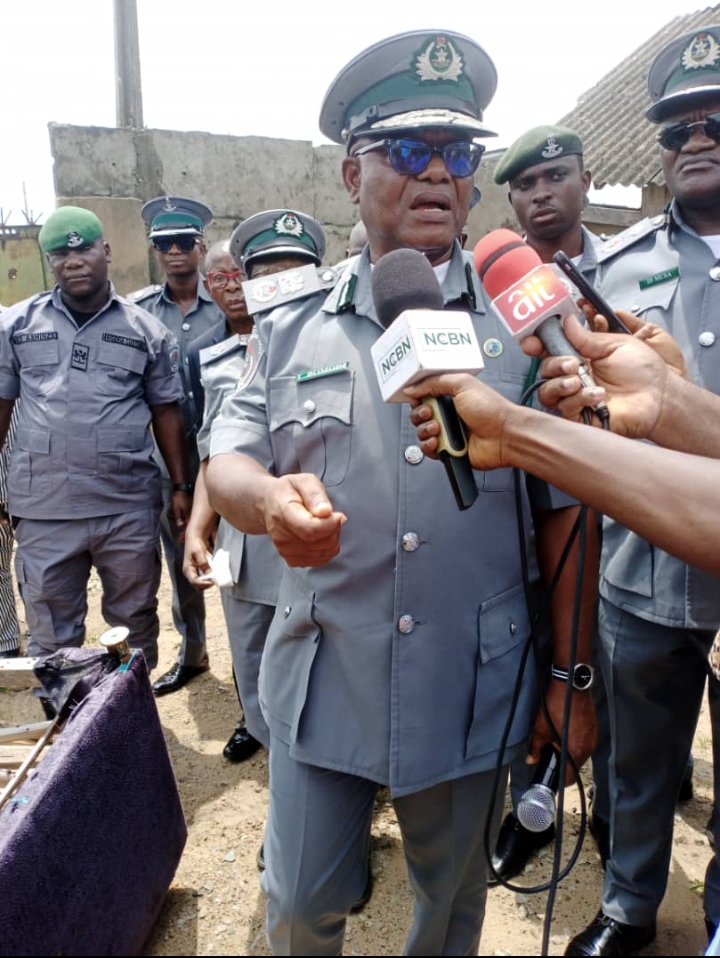
JANUARY-MAY REPORT: Seme Customs Hits N2.6bn, Facilitates ₦35.1bn Exports.
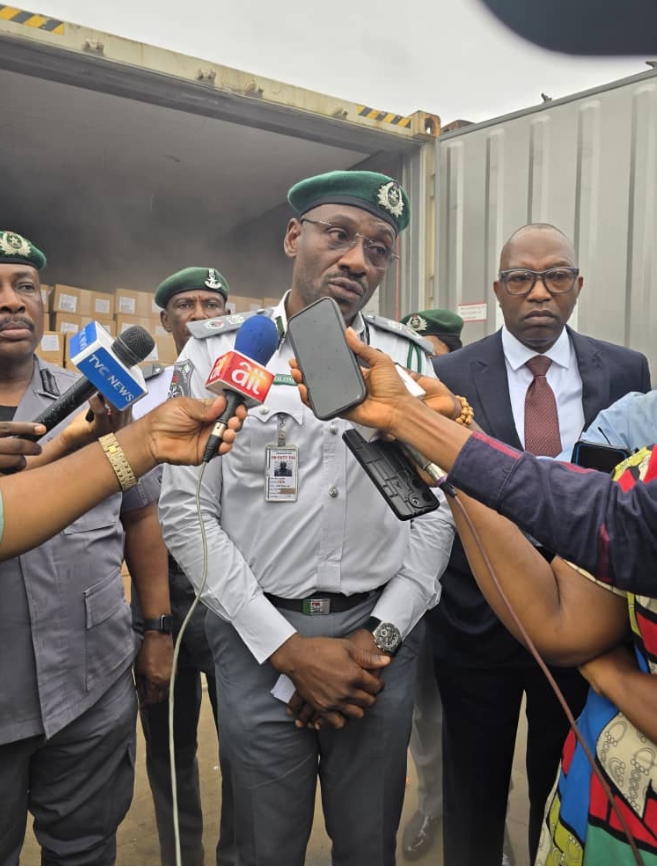
HALF YEAR, 2024: Apapa Customs Nets ₦1.024 Trillion, Records 143% Increase.

APFFLON Seeks Immediate Reform of CRFFN, Replacement of Registrar.

OMIS AWARDS, 2022: Greg Ogbeifun, Industry Gurus For Special Recognition.

B’Odogwu: Apapa Customs Collects ₦161b in 3 Weeks, Assures of Improvements .

PHOTO NEWS: Maritime Capacity Development
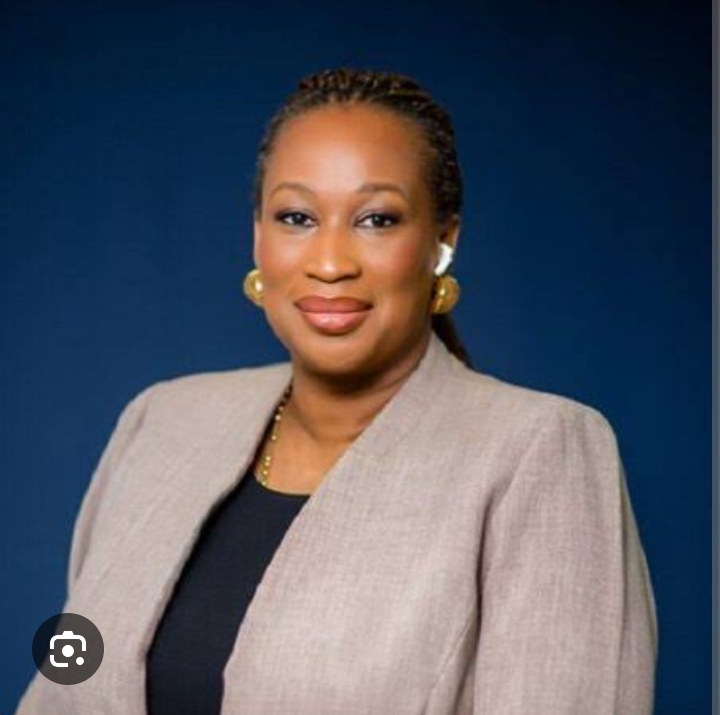
Adesuwa Ladoja Becomes MD/CEO, Lagos Free Zone.

FG Set To Re-establish National Shipping Line, To Take Advantage of $10 bn Annual Ship Charter Market.

Photo News: Salah Celebration

Mama Theresa Enisuoh Due For Burial April 27

Sylvanus Ekpo, ex-Editor, Shipping World Magazine, loses Mum

MAN, ORON: It’s Encomiums Galore From International Seabed Authority (ISA).

-
 Maritime Agencies3 weeks ago
NAGAFF Suspends Planned Strike As NPA, Maritime Police, DSS Resolve To End Container Blockage.
-
 Maritime Agencies3 weeks ago
FRESH ARMS IMPORTATION : Customs Hits Criminal Networks Hard, Intercepts 204 Firearms Routed from Turkey.
-
 Maritime Agencies2 weeks ago
Zoe Maritime Resources Hosts Lagos International Maritime Week (LIMWEEK), 2026.
-
 Maritime Agencies2 weeks ago
Parts Central Ltd Set To Turn Waterway Waste into Wealth, says Onifade.
-
 Maritime Agencies2 weeks ago
Oyetola Transfers Inland Dry Ports to NPA, Sets Up Committee for NSC–NPERA Transition.
-
 Maritime Agencies1 week ago
LIMWEEK 2026: Measurable Outcomes Must Guide Policies in Nigeria’s Marine and Blue Economy.
-
 Maritime Agencies2 weeks ago
CUSTOMS’ ZONE ‘A’ SPORTS EVENT: CGC Adeniyi Highlights Need for Discipline, Teamwork in Customs Operations.
-
 Maritime Agencies6 days ago
Nigeria Collaborates with Benin Republic to Launch Modernised Joint Customs Border Post.